
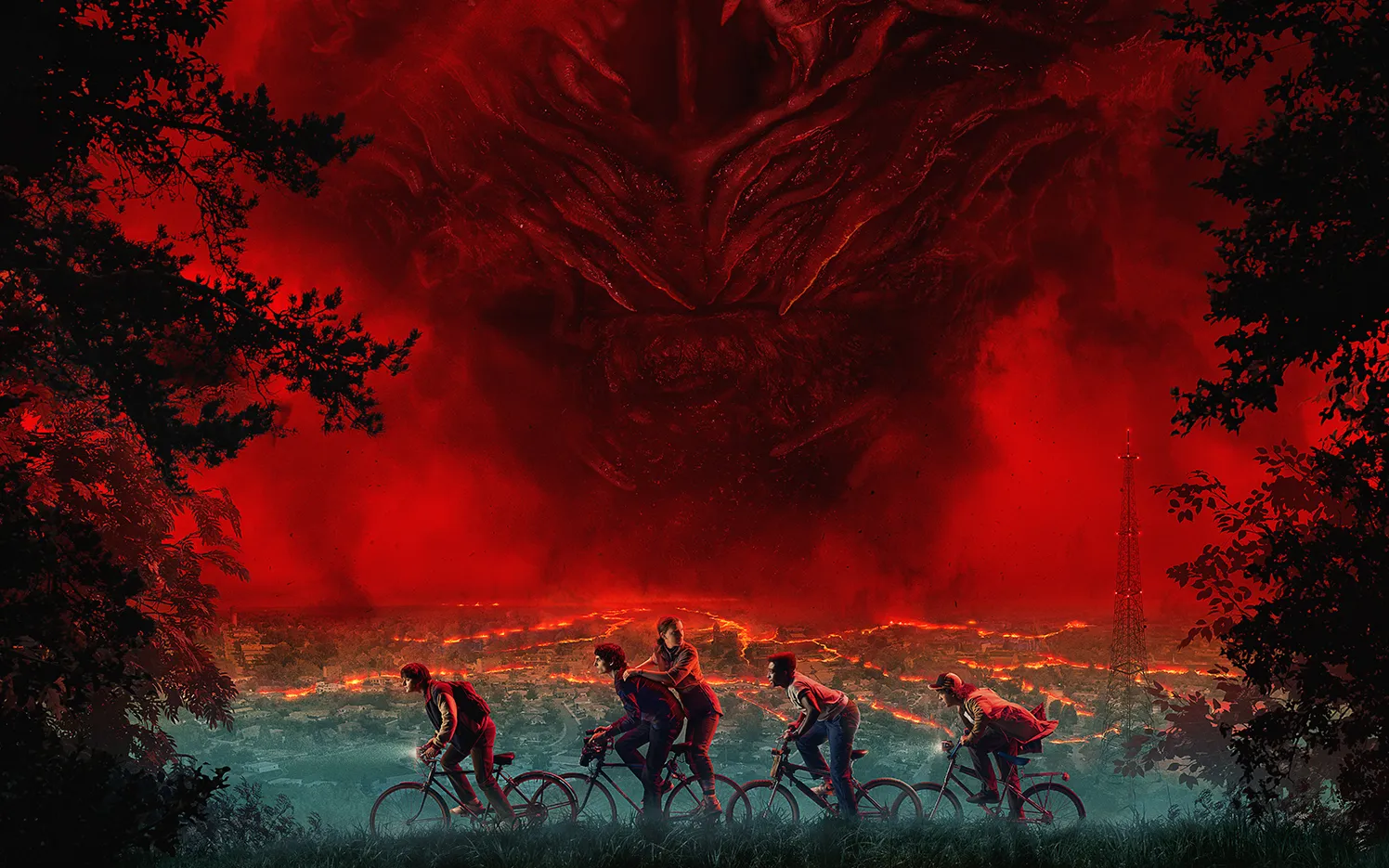
“Stranger Things 5” cements itself among the worst final seasons in Netflix history: Part one

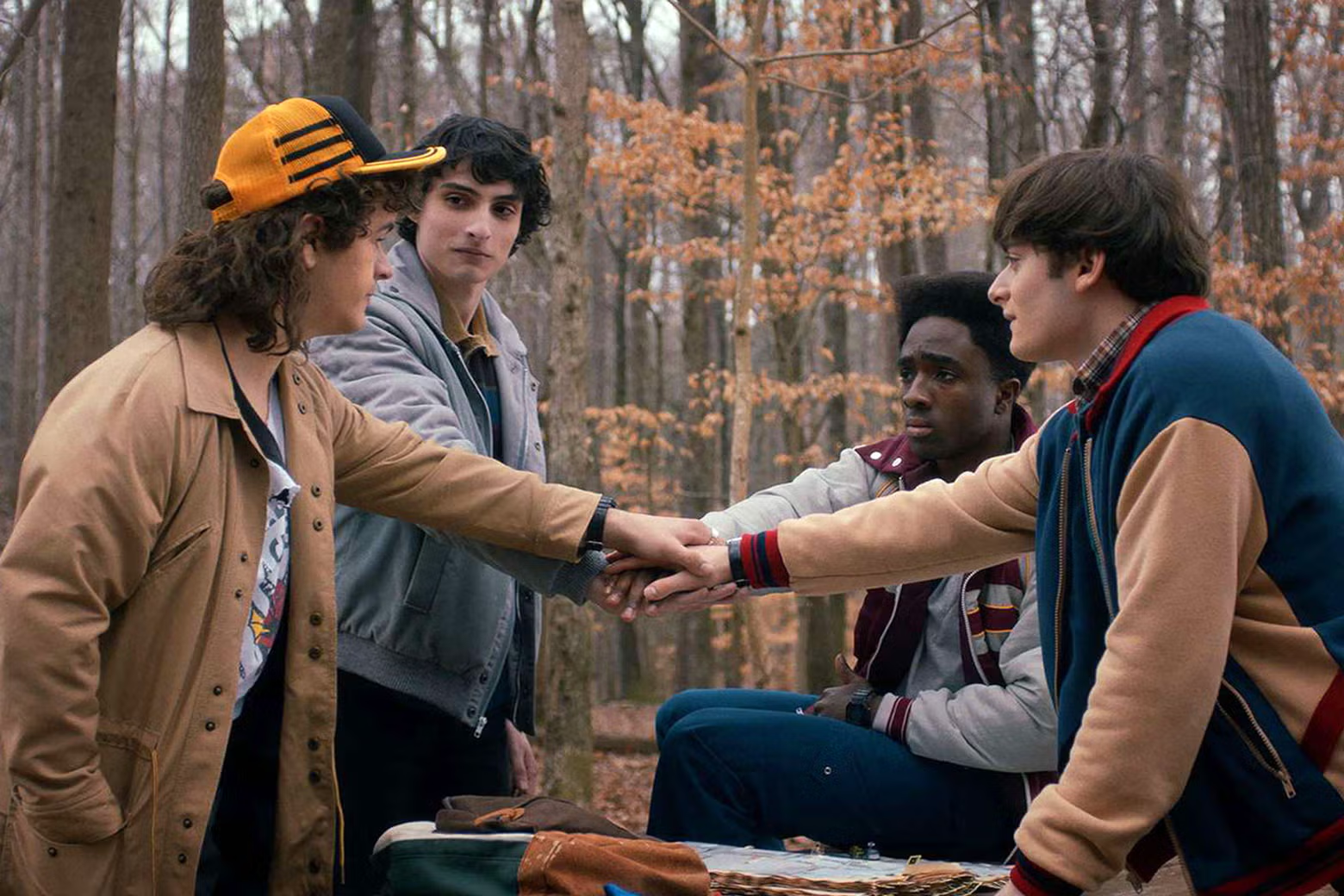
The following review contains spoilers for Stranger Things Season 5.
When a season is so bad that fans develop a conspiracy theory that the whole thing is a joke, it’s clear that something has gone catastrophically wrong.
Although it sounds hyperbolic, the online discourse surrounding the final season of Stranger Things reached an unparalleled level of delusion to the point where viewers were forced to create “Conformity Gate,” a fan theory suggesting that season five was an illusion created by Vecna (the show’s principal villain) and that the “true ending” would come out on Jan. 7, 2026, a week after the release of the “fake” finale.
To the disappointment of these conspiracists, no such plot twist arose.
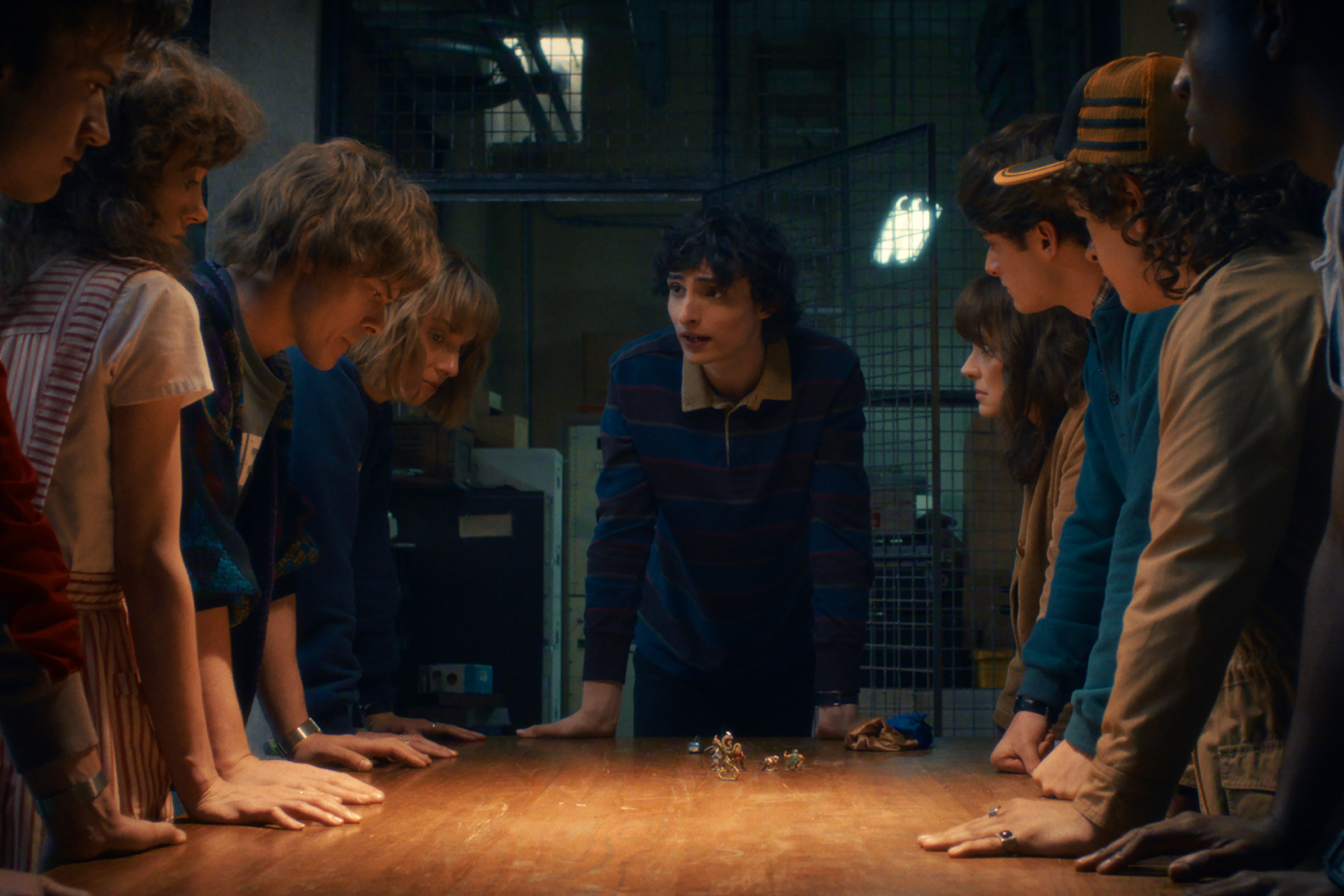
Prior to season five being released, the overall consensus was that it would be one of the most successful series finales of all time—and rightfully so. After four seasons of record-breaking viewership, critical acclaim, and a beautiful balance of 1980’s nostalgia with emotionally grounded storytelling, Stranger Things had once cemented itself as Netflix’s most defining and reliable series since its initial release in 2016. When the season five release dates were announced—volume one on Nov. 26, 2025, volume two on Dec. 25, 2025, and the series finale on New Year’s Eve—anticipation reached an all-time high, with fans and critics alike expecting a monumental, culture-defining sendoff.
While it was not in the cards for this legendary television finale to collapse under the weight of its own anticipation, Stranger Things season five manages to do exactly that.
While the online “Conformity Gate” theory may sound absurd, its very existence reflects just how deeply this season missed the mark. Rather than delivering a cohesive and daring conclusion, the Duffer Brothers offer a finale plagued by stagnant character arcs, risk-averse writing, and baffling narrative choices—ultimately reducing one of Netflix’s most beloved series to a hollow imitation of itself.
While the root of this collapse lies in many facets, at its core, season five suffers from a script that feels simultaneously overextended and underdeveloped, the fundamental breakdown occurring with the writing and production. Despite the season’s extended runtime, it feels paradoxically rushed when it matters most.
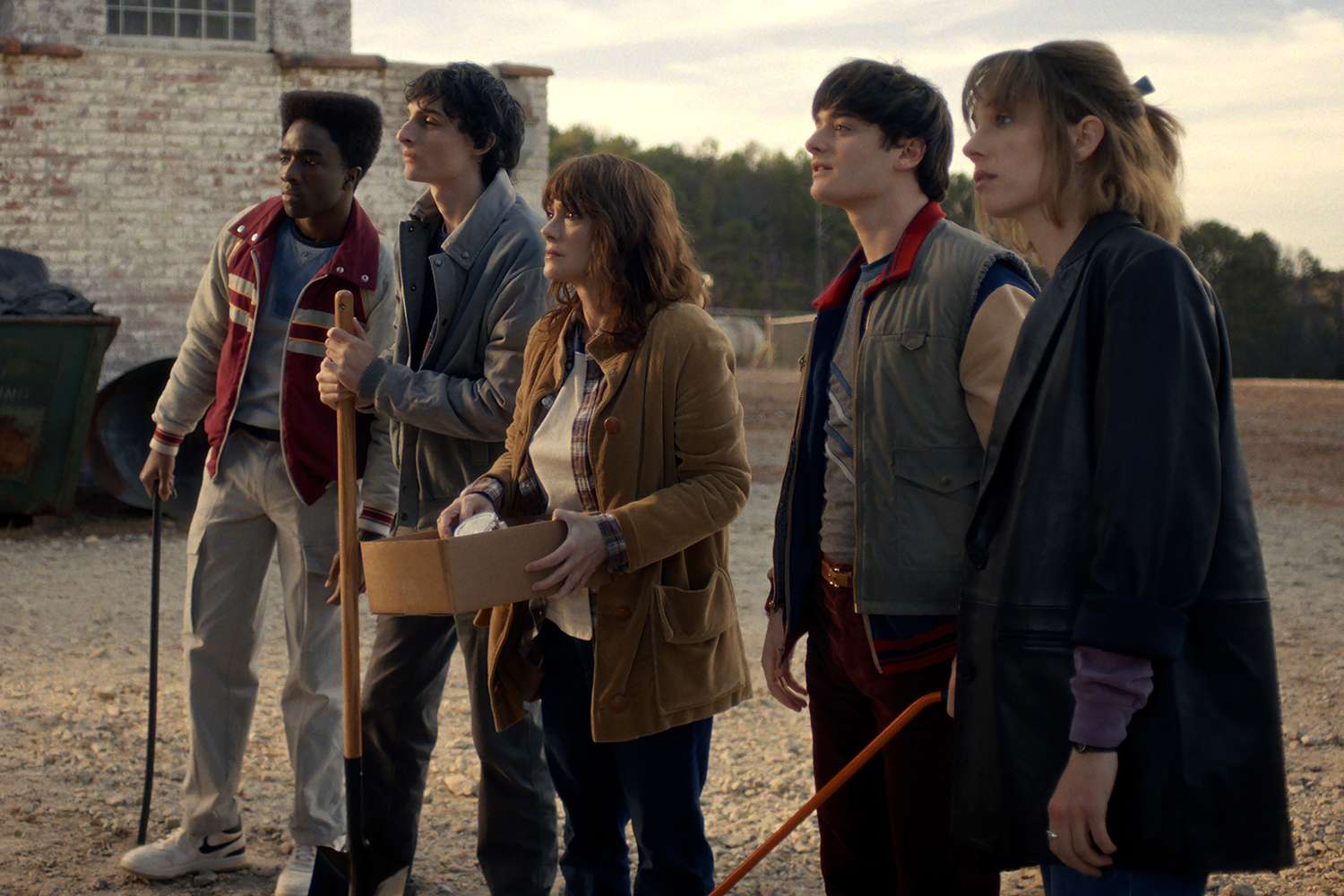
Immediately, it was clear that every character had dilapidated into a one-trick pony, reduced to stereotypes that completely lobotomized their once-nuanced characters. Nancy Wheeler, once full of palpable empathy and a stoic sense of compassion, loses her compelling mannerisms in season five, as the Duffers write her off as snarky and emotionless towards everyone around her. Additionally, despite a four-season-long character arc that sought to prove his intellectual capability, Steve Harrington was reduced to idiocy in season five, constantly interrupting long-winded (not to mention Disney Channel-esque) plan descriptions with “Wait, what?” every episode. Robin, who was once so witty in season three, spends much of this season’s screen time rambling in a tangent of naïvety. While her role as a mentor figure to Will was a redeeming quality, she lacked the self-assurance and maverick individualism that made her so lovable in previous seasons.
Although Lucas has been one of the most critically underrated characters of the whole show, he finds himself even more deeply entrenched in the pitfalls of character neglect in this season. His character is written with little substance, seemingly only given dialogue as a ploy for a cringy euphemism. Additionally, it was a crime to confine Sadie Sink’s character, Max Mayfield, to such a passive role when her unparalleled acting skills demand greater use, especially in a season that depends on emotional evocation. Even Eleven, despite being the face of the franchise, is stripped of any cumulative character arc. By portraying her as childlike and unworldly, the writers continue to regress her development and undermine the authority she fought to gain in earlier seasons.

Beyond just writing a script of superficiality, the Duffers demonstrated in this season that they are unable to take risks as scriptwriters, accumulating tension only to lazily allay it. For any series, the final season of a show is the most inopportune time to “play it safe,” and the Duffers’ inability to see this drove what was once an engrossing, innovative series into the ground. Even the one pseudo-risk they took the entire season—killing Eleven off—was left open to interpretation. What keeps audiences immersed in a show is not a perennial sense that everything is okay in the end, but rather calamity. For example, an endearing heartthrob like Steve Harrington—who audiences witnessed transform from a callow, apathetic high-schooler to arguably the most lovable character in the entire show—should be killed off in the final season. A tumultuous, will-they-won’t-they love triangle, like that between Nancy, Jonathon, and Steve, should be resolved. The fact that all of the original four boys—Lucas, Dustin, Mike, and Will—walked out of the season unscathed is unfathomable, especially after the Duffers spent a considerable portion of their preceding press tour teasing imminent death and immeasurable chaos. When every single plot line wraps up in a harmless bow, the show ends on an unsatisfactory, pointless note.

Stranger Things season five was not a failure because it lacked potential; it was a failure because it actively abandoned the qualities that once made it so special. A parade of half-baked ideas, it discredits the legacy of one of Netflix’s most iconic franchises, leaving viewers with a finale so unsatisfying that they’d rather believe the whole thing was a ploy than admit that the ending they were given was true. Ultimately, no amount of promotion or nostalgia can compensate for a finale that refuses to take calculated risks when it matters most, and now, the Duffer Brothers must live with this painful lesson.