

Two seasons in a row, “The Pitt” remains television perfection

The following review contains spoilers for season two of The Pitt, along with themes of sexual assault, physical assault, and suicide.
Fingers torn off. Chest cavities split open. Amputated limbs. Mobs of screaming people.
And blood—everywhere, there is blood.
Though it sounds like the premise of a zombie apocalypse, it’s simply just another day at The Pitt.
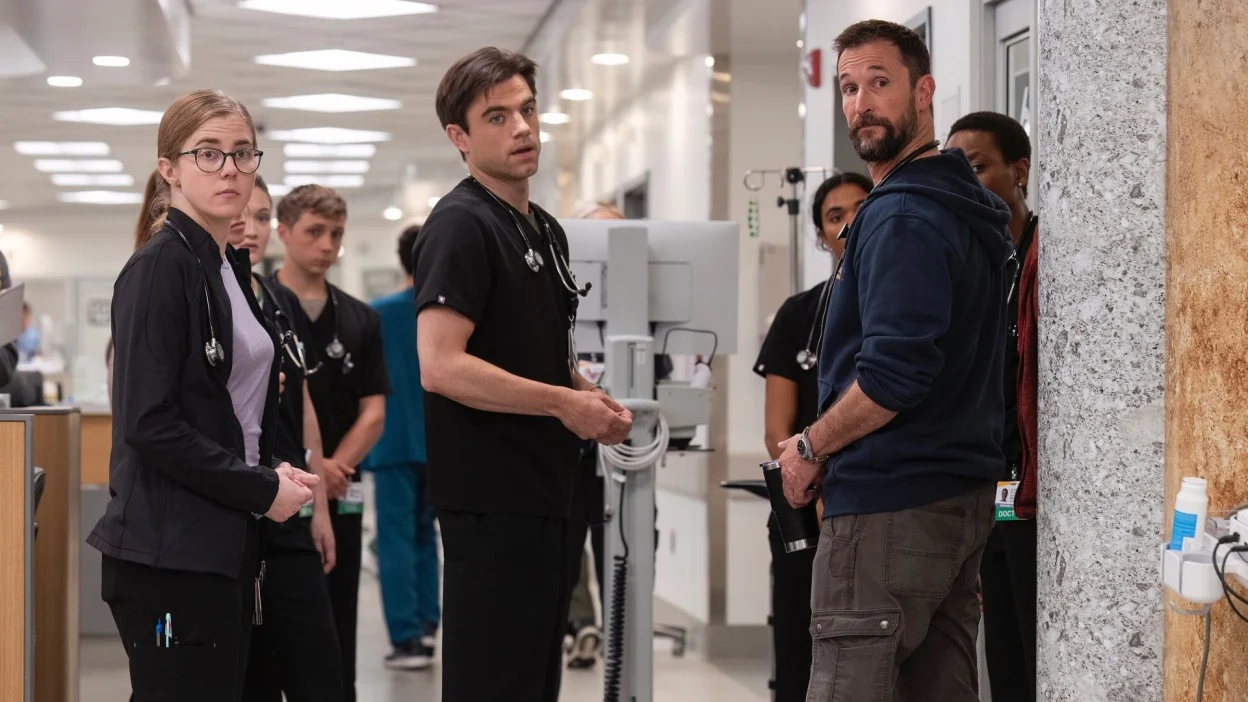
The Pitt—more affectionately known as the Pittsburgh Trauma Medical Center—serves as the gritty, relentless backdrop for the HBO Max series of the same name, a battlefield in a never-ending war against trauma and mortality. The series, created in 2025 and following the calamity of a Pittsburgh Emergency Room (ER), trails Senior Emergency Attending Physician Dr. Michael “Robby” Robinavitch (Noah Wyle) and his posse of fellow physicians, all of whom are pushed to their limits by the hospital’s unrelenting torrent of patients and catastrophe. With each episode following one hour of a day-long shift, the show leans into graphic, unflinching visuals of trauma and physical injury to expose the brutal reality of the ER, acclaimed for its credible medicine and real-world accuracy in a world of inaccurate medical shows (and, yes, this is a dig at Grey’s Anatomy).
After a successful season one—with the first season winning five Primetime Emmy Awards and a Golden Globe, including Outstanding Lead Actor (Noah Wyle), Outstanding Supporting Actress (Katherine LaNasa), and Outstanding Drama Series—fans of the series were ecstatic to hear that the second season would be released on Jan. 8, 2026, only a year after the premiere of the first season. Many viewers—myself included— waited with bated breath as the countdown to the highly sought-after release date dwindled down, an amalgamate of excitement and nervous anticipation buzzing throughout fan forums and social-media threads. One question lingered persistently in the collective consciousness of the audience: After such a successful season, how would Noah Wyle and his fellow band of producers and castmates follow it up?
Thankfully, season two of The Pitt not only meets expectations but surpasses them.
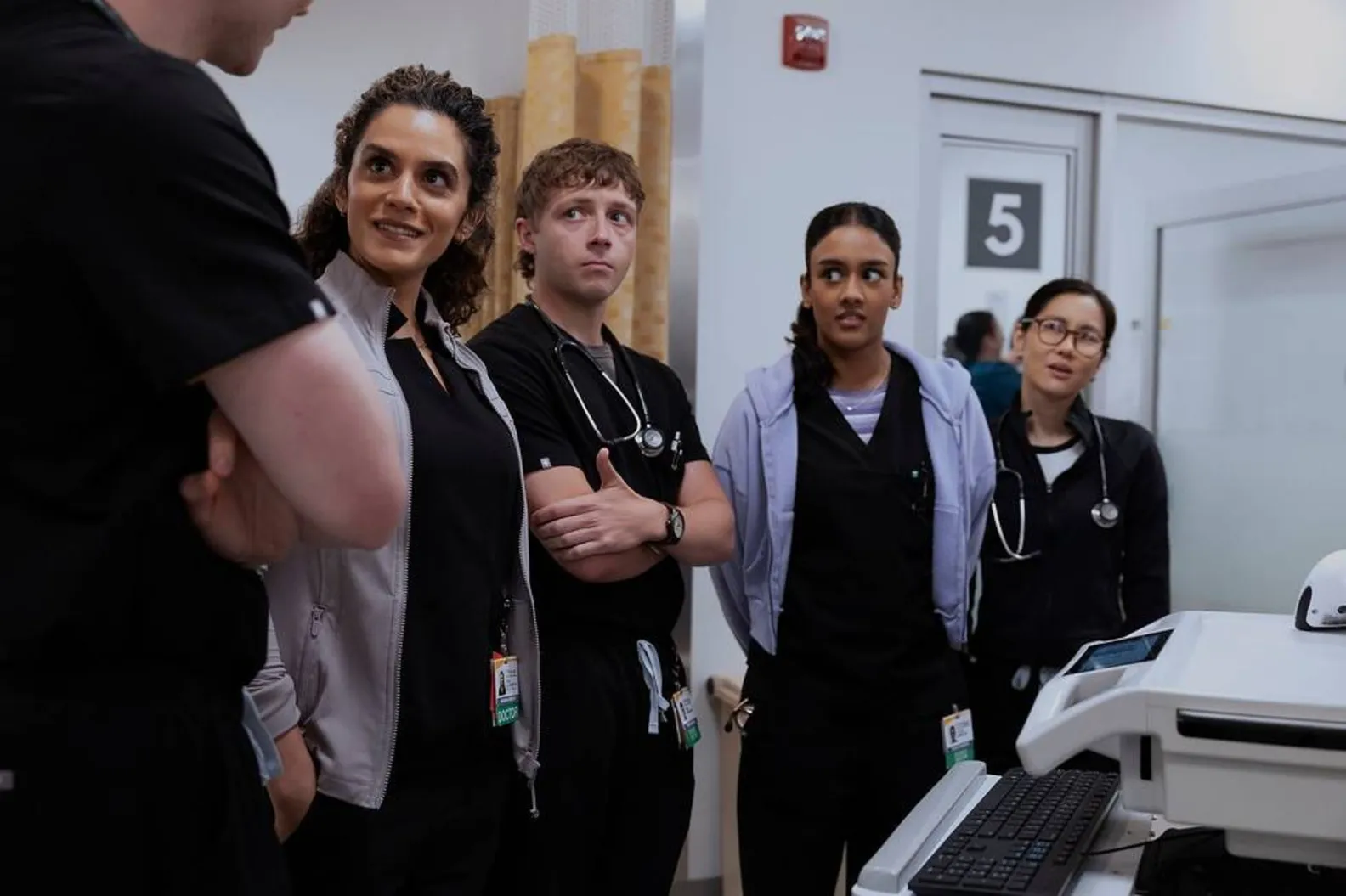
While an initial concern among the audience was how the producers would manage the continuity of the prior season going into the next, the writers skillfully executed a seamless transition that eschewed all premonitions of cumbersome exposition. Set six months after the first season, the momentum of the narrative is immediate, establishing fresh stakes and new beginnings with the same undercurrent of authenticity that the first season embodied so well. Along with that, the ambiguity surrounding the fate of various beloved characters is resolved in the first episode. Senior Emergency Medicine Resident Dr. Frank Langdon (Patrick Ball) makes his triumphant return after facing a temporary suspension and rehabilitation requirement in season one, a consequence of stealing benzodiazepines from the hospital. A pragmatic, harsh character in the first season, he now faces the complex task of atonement among his coworkers, particularly working to gain back the trust of Dr. Robby and make amends with second-year resident Dr. Trinity Santos (Isa Briones), the witty, crass doctor who was the first to accuse him of drug theft. Fan favorite second-year resident Dr. Melissa “Mel” King (Taylor Dearden) also returns in season two, this time facing a deposition case over malpractice accusations that stemmed from season one.
Additionally, viewers are reintroduced to tough-as-nails charge nurse Dana Evans (Katherine LaNasa), who tentatively returns to the ER in a calcified manner after being physically assaulted by a disgruntled patient six months prior. Along with the return of second-year resident Dr. Cassie McKay (Fiona Dourif), third-year resident Dr. Samira Mohan (Supriya Ganesh), first-year resident Dr. Dennis Whitaker (Gerran Howell), and medical student Dr. Victoria Javadi (Shabana Azeez), the series also introduces new additions such as medical students Dr. Joy Kwon (Irene Choi), Dr. James Ogilvie (Lucas Iverson), and nurse Emma Nolan (Laëtitia Hollard), all of whom bringing fresh dynamics and tensions that reinvigorate the same viscerally raw environment as the preceding season. That being said, Dr. Heather Collins (Tracy Ifeachor) was not invited back for season two, a pronounced absence that leaves a gap in the fabric of the show, especially as she had a profound, largely unexplored bond with Dr. Robby that had yet to be elucidated upon in the first season.
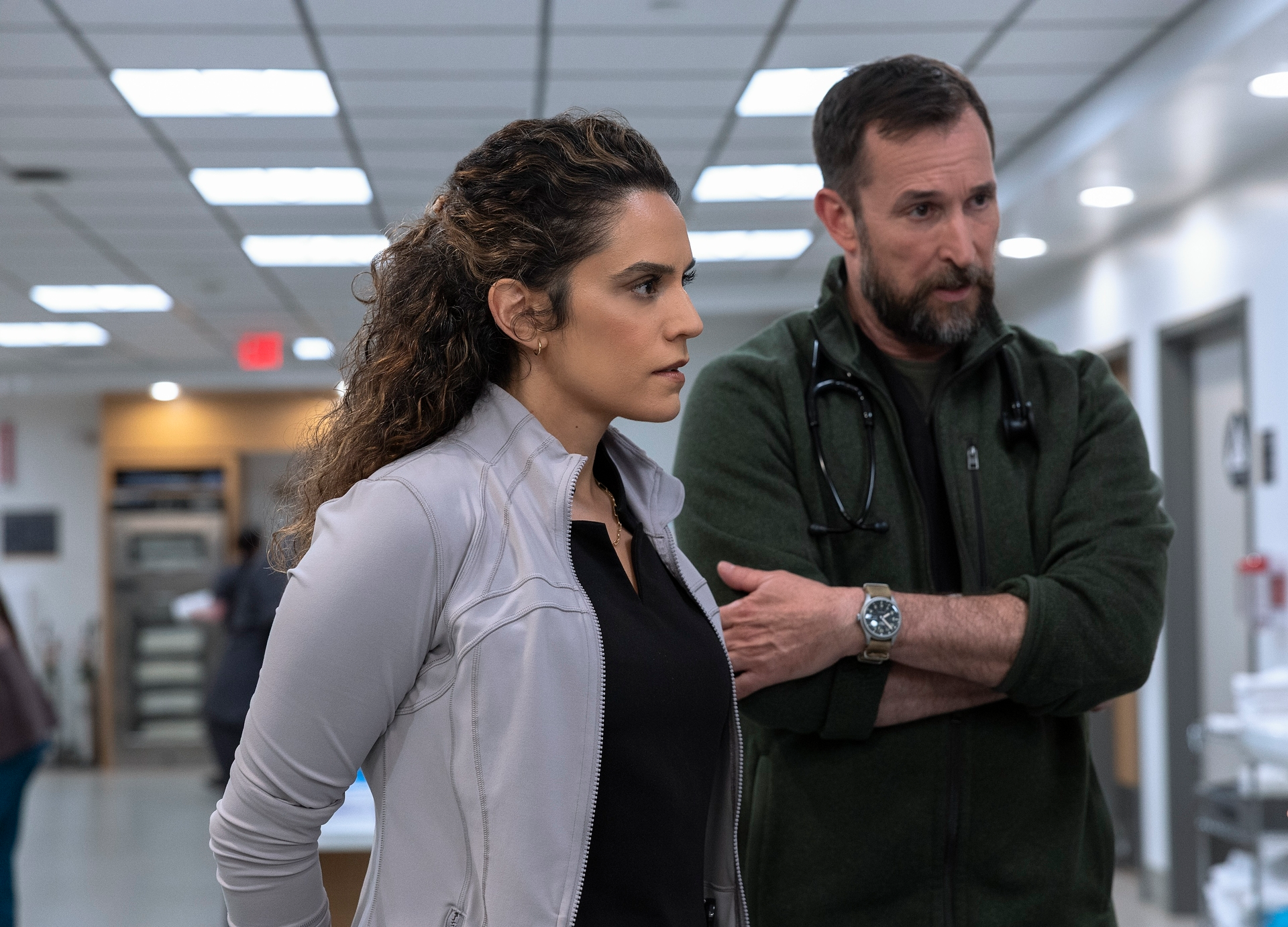
Poignantly, Attending Physician Dr. Baran Al-Hashimi (Sepideh Moafi) makes her debut in The Pitt in season two, her pragmatism serving as both a stabilizing force and a quiet disruptor in the ER environment. Her dynamic with Dr. Robby is evidence of the latter effect, as her cool-headed sensibility amidst high-stress situations often clashes with his combative approach to trauma and distress. Tensions between the two are particularly high as Dr. Al-Hashimi plans to serve as the interim attending physician in his absence, as Dr. Robby decided to take a three-month sabbatical after season two, following periods of deep-seated burnout and PTSD that were first addressed in season one. The two often clash over their differing philosophies in care and control, especially when Dr. Robby finds out that Dr. Al-Hashimi has been experiencing a resurgence of focal impaired awareness seizures, potentially endangering patients and limiting her scope as a doctor. Sepideh Moafi and Noah Wyle perfectly capture this balance of composure and authority, creating a compelling, contemporary narrative that enthralls viewers.
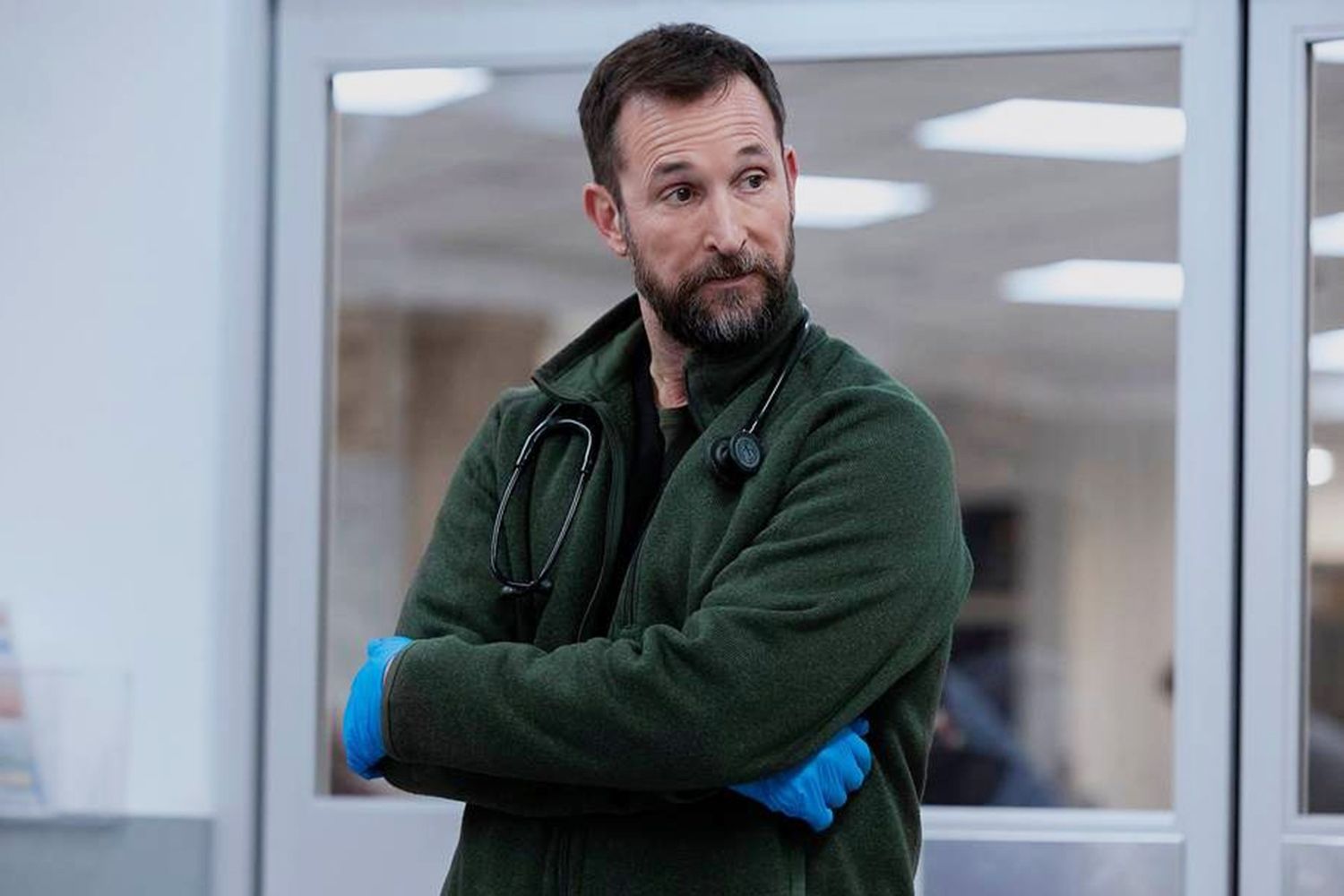
While a main criticism of this season is that it is too “Robby-centric”—focusing too much on Dr. Robby and not the rest of the cast—this censure is invalid. Similar to a real ER environment, it is plausible that a senior attending resident would often preside over various important cases in comparison to their counterparts, often being beckoned for assistance and guidance in situations where entry-level doctors may be uninformed in their care. That being said, Dr. Robby, being a recurring focus of this season, is an accurate representation of how ER operations would be carried out in the real world, yet another testament to the verity of this series. Moreover, the show itself credits Dr. Robby as the frontrunner, with the remaining ensemble being supporting characters. In any TV series, it is in no way inconceivable that the main character of a television show would procure more screen time than additional characters, and The Pitt is no exception.
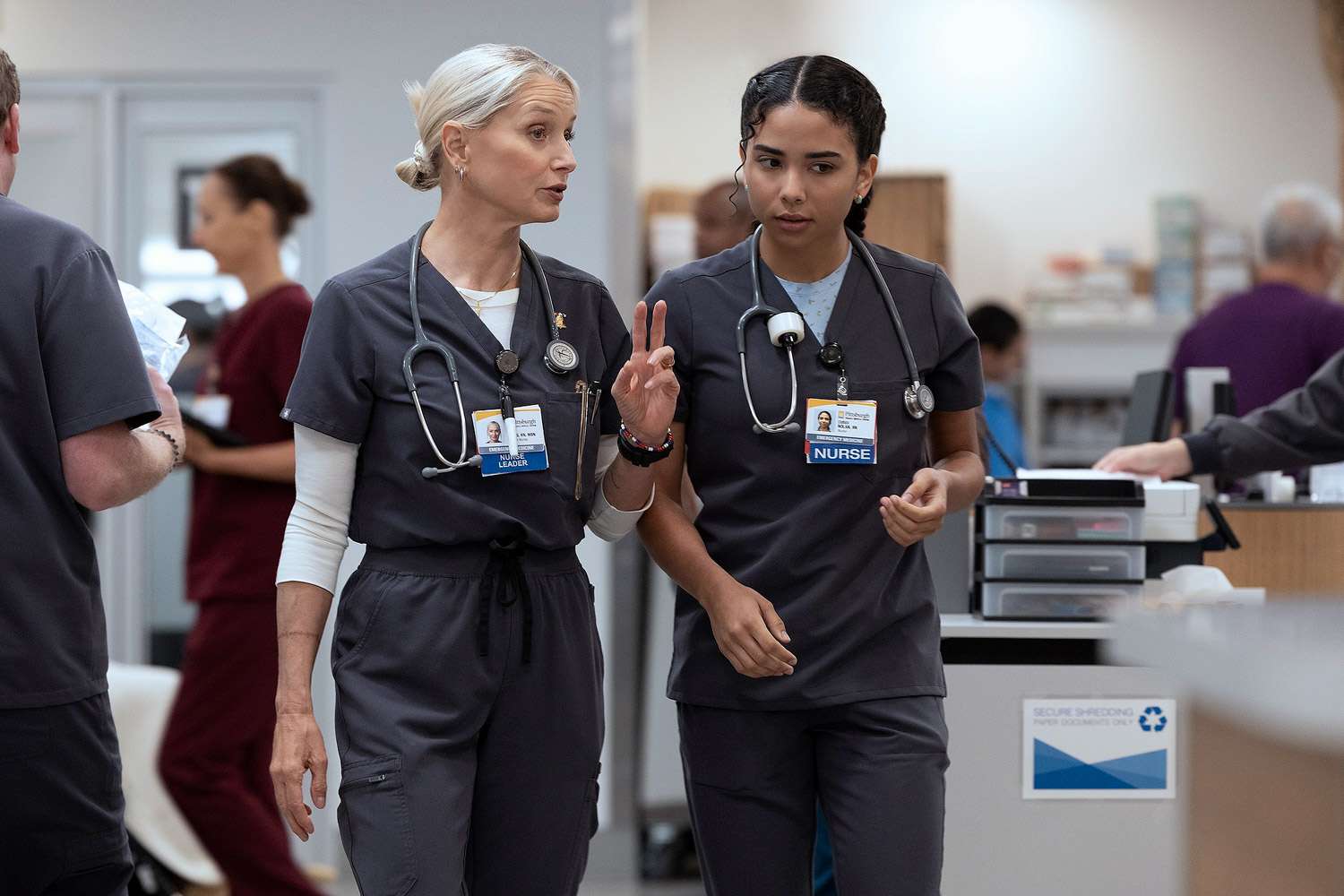
One of the most potent themes of the season is the caring, almost maternal relationship between charge nurse Dana and new graduate nurse Emma, especially while both of them navigate persistent workplace abuse in the ER and frustration with a lack of reform to ensure further protection in their occupation. Dana is a fountain of insightfulness in this season, mentoring Emma through trials of death and morbidity, physical assault, and burnout. Katherine LaNasa’s awe-inspiring portrayal of Dana balances an outward exposition of fortitude and grit with an inward sense of compassion, protectiveness, and nurture. Laëtitia Hollard, who plays Emma, returns the favor in an equally emotionally biting scene in which the two of them treat a young woman who was sexually assaulted. Hollard compounds the empirical nature of Emma’s work with an abounding sense of hope, empathy, and commiseration, allowing the nuance of such a difficult situation to materialize for the viewers. The scene amounts to fury from both nurses, as Dana realizes that the rape kits that she was submitting to the police station had not been picked up, further exposing a broken system in which victims—primarily women—suffer without reaping any just outcomes.
Laëtitia Hollard’s breakout role also produces one of the most emotionally resonant scenes through an interaction with Digby, a disheveled, unhoused man who comes into the ER to remove a long-neglected, deteriorating cast from his arm. While the consensus among fellow waiting room patients was that he was filthily irredeemable, the ensuing relationship between him and nurse Emma proves such initial predisposition to be incorrect. After removing his maggot-infested cast, nurse Emma volunteers to give Digby extra attention to restore some of the dignity he had lost from living in such merciless conditions for so long. While giving him a haircut and attending to his cleanliness, Digby opens up to Emma, vulnerably telling her that he has a daughter who resides in his old home. Due to his severe mental illness and impairment, Digby only finds himself suitable for the streets, yet is often tormented by the worry that his daughter will one day forget him. In an evocative moment, nurse Emma asks him if he danced with his daughter at her wedding, and when he responds with a yes, she tells him, “Then she will never forget you.” Beyond illuminating the conditions and systemic neglect faced by the unhoused, it is moments like these—set within the toil and relentless urgency of the ER—that make The Pitt feel so intentional and profoundly impactful for anyone watching.
The show also engages directly with pressing political and social issues, weaving them into its storytelling with striking realism. One powerful example is Orlando, a construction worker caught in the cruel gap of the American healthcare system—too poor to afford insulin, yet too “wealthy” to qualify for Medicare. After collapsing on the job due to a diabetic episode, he is treated in the ER but ultimately leaves against medical advice, driven by the fear of overwhelming medical debt that could burden both him and his family. His story takes a tragic turn later in the season when he returns after a suspected suicide attempt, having fallen twenty feet from a catwalk, underscoring the devastating emotional and financial toll of systemic healthcare inequities, which seem further entrenched than ever before.
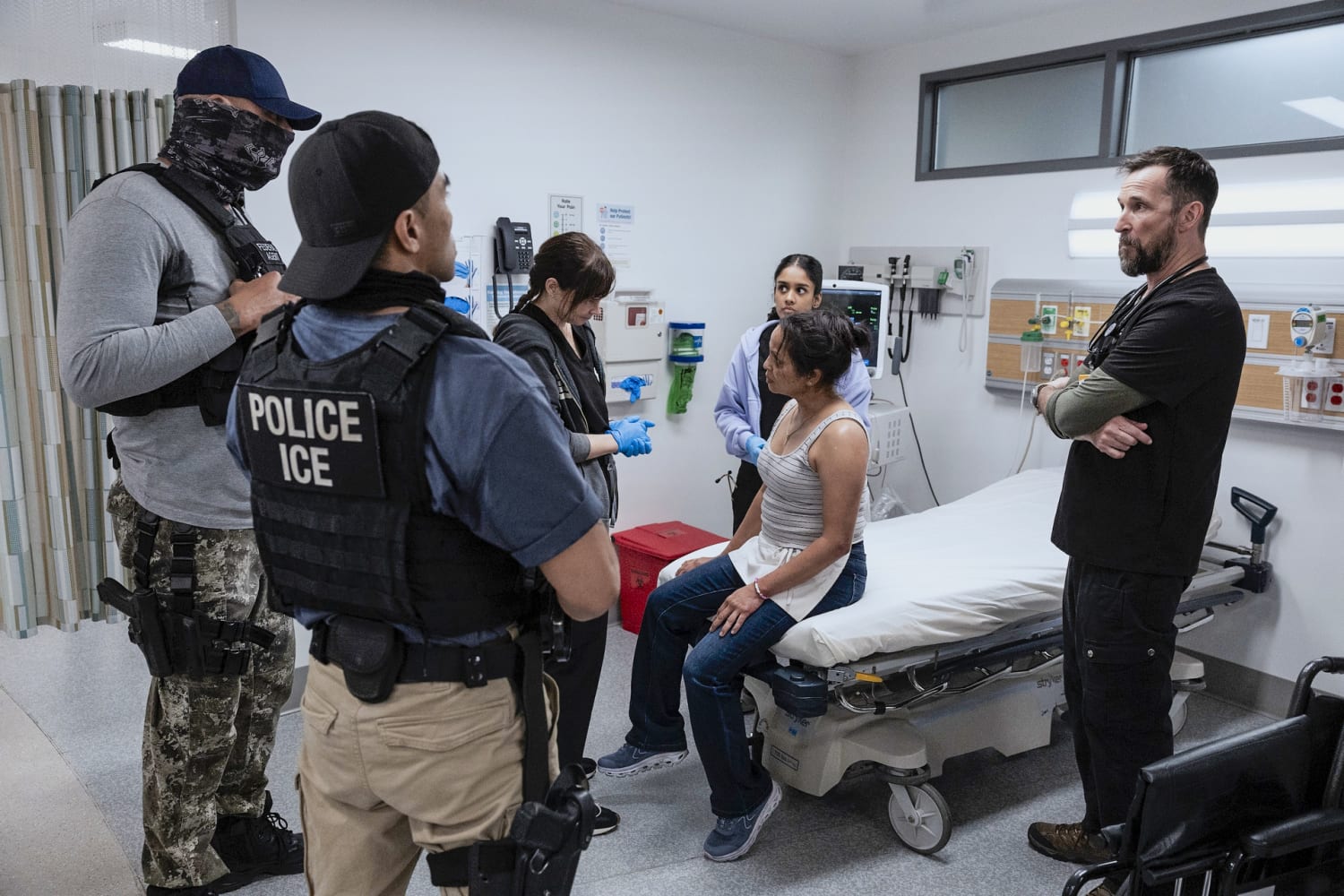
The show continues this commentary through its exploration of immigration. In one storyline, a female patient facing deportation becomes the center of a moral conflict when a nurse, Jesse, refuses to comply with ICE officials looking to deport her, ultimately resulting in his detainment. Similarly, a young boy named Jude is admitted with severe hand injuries after playing with fireworks, and, when questioned, his older sister—now his primary caregiver—reveals the difficulty of managing his behavior. Since their parents were deported to Haiti, she alone has to navigate safeguarding her young, impressionable sibling. Such narratives highlight the ripple effects of immigration policy on families in a way that is both effective and shows a novel perspective. It is through storylines like these that the show feels so immediate and unflinchingly authentic, forcing viewers to confront the real-world consequences of systemic failure that is often shirked in modern-day television.
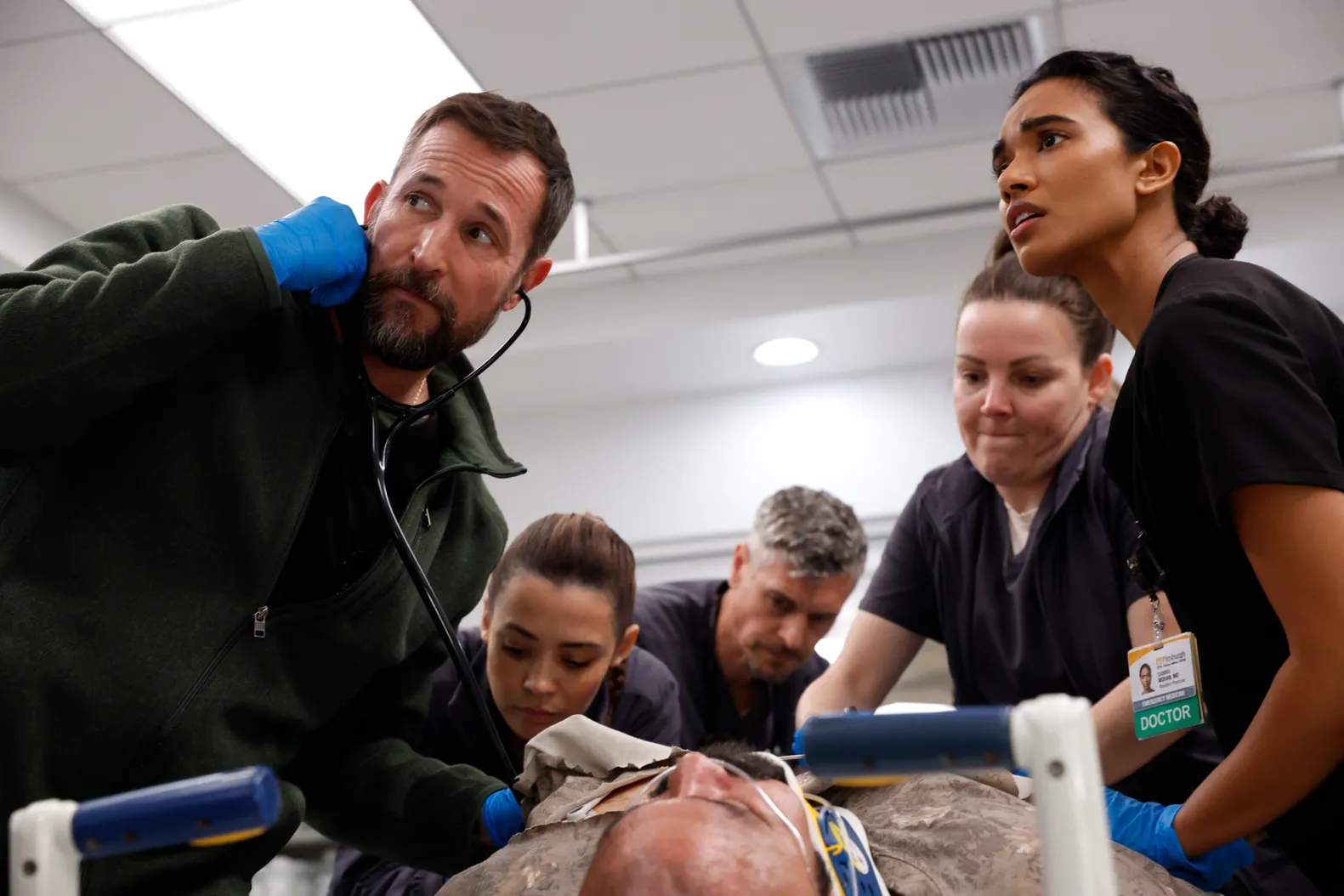
Delivering an uncensored portrait of ER life that transcends mere medical drama, The Pitt once again masterfully blends visceral realism with profound social commentary in season two, not only honoring the first season but elevating the genre to new heights of authenticity and emotional depth. It will undoubtedly be a major contender in next year’s award season, and new flocks of viewers seeking a show that mirrors the brutal stakes of real-world medicine are likely to further contribute to the television phenomenon that is The Pitt. Whether you’re squeamish in the face of blood, guts, and chaos or not, The Pitt is the perfect show for anyone looking for a nuanced, adrenaline-inducing watching experience