
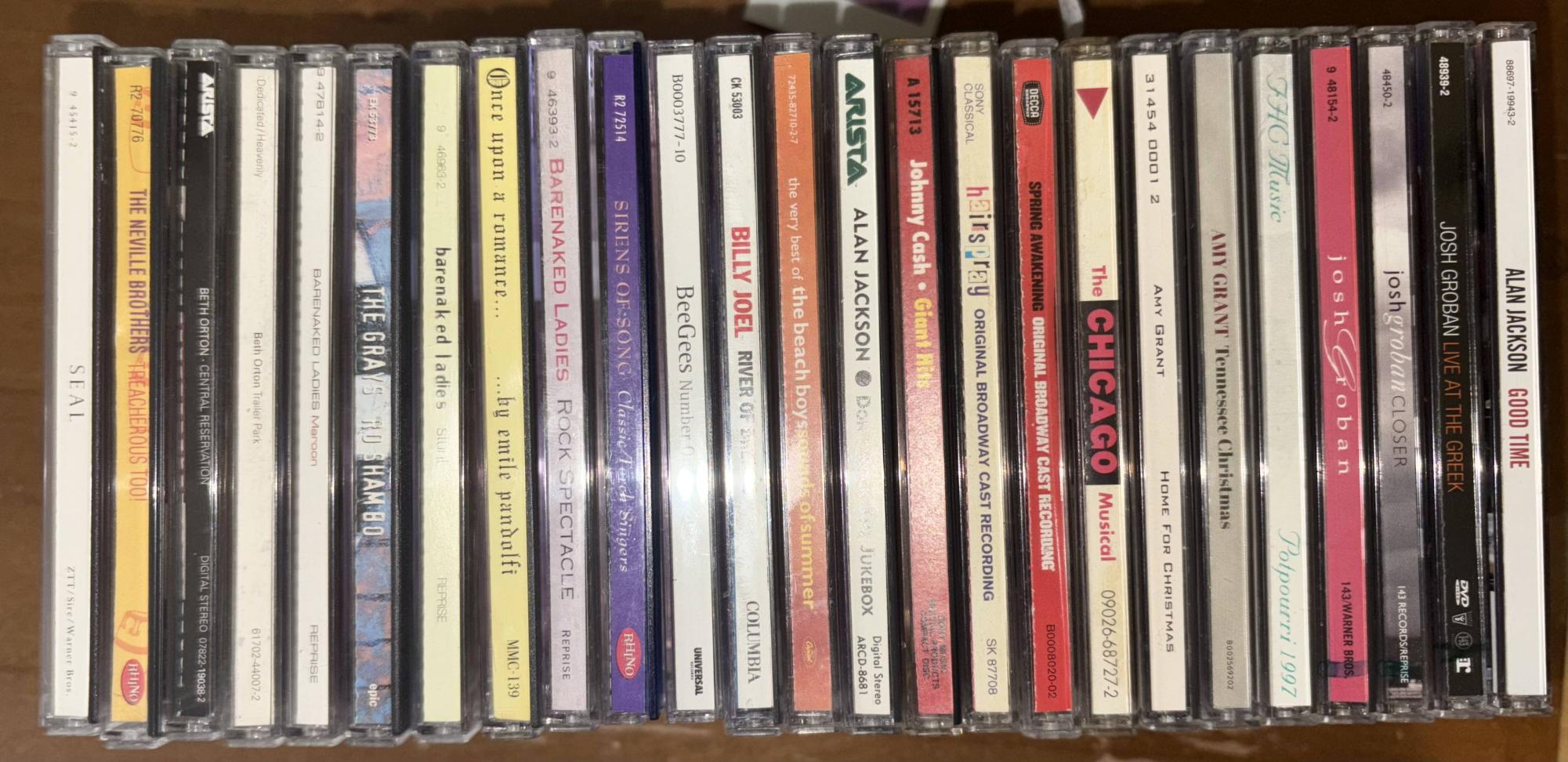
In argument for physical media: my favorite albums I discovered because of CD collection


Of the numerous musical genres that have emerged or simply been named because of social media, “Dad Music” has to be one of my favorites. Though a little arbitrary in scope, for me, dad music defines almost anything associated with 1990s popular alternative rock—especially the Barenaked Ladies (BNL).
When I first started listening to actually good music, it was BNL’s Rock Spectacle. I would listen to this live album over and over again, only skipping one or two songs from time to time. The first few songs I learned on guitar, “The Old Apartment” and “What a Good Boy,” came from this album. Rock Spectacle was my first love.
When I began driving, I searched through my dad’s old CDs for it, finding basically any BNL album BUT Rock Spectacle. I did, however, find Stunt, in which I recognized “One Week” for its appearance in a few Y2K-released teenage comedies (and on my Dad’s old iPod).
I wasn’t immediately taken by Stunt. It was the first time I really began listening to CDs, so I didn’t have much faith in the album—but after listening to its tracklist over and over, I quickly became entranced.
Released just two years after Rock Spectacle, Stunt features a variety of songs that have quickly joined my roster of BNL favorites. “One Week,” for example, is an upbeat, rapid-fire track that doesn’t take itself too seriously—a reflection of BNL’s playful concert performances. It also includes a collection of rock ballads that satirize intense topics, all while being poignant in theme and in sound. My favorites in this respect are “Alcohol,” “I’ll Be That Girl,” and “In the Car.”
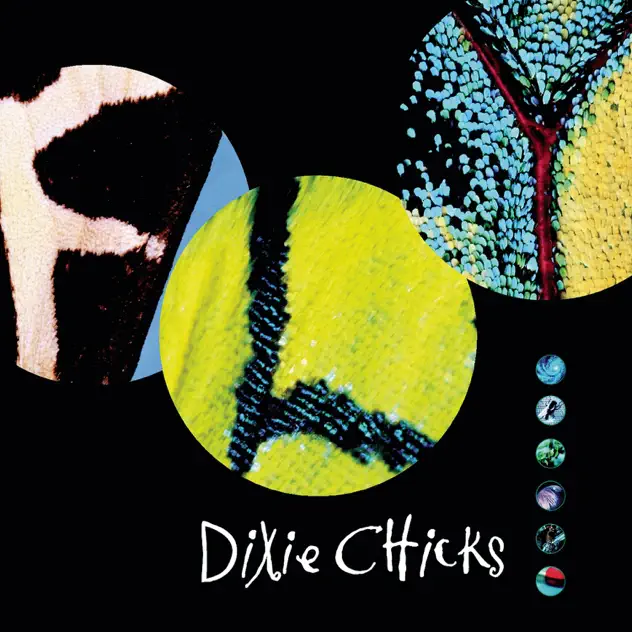
Unlike “Dad Music,” “Mom Music” doesn’t have a pinpointable sound in the world of music—nor does my household. If I did have to pick a specific genre, though, it would definitely be something along the lines of girly country pop: the best way I can describe the music of The Chicks.
Though my mom isn’t that much of a music gal, I am forever grateful that she introduced me to the masterpiece that is “Goodbye Earl,” one of the Chicks’ most famous songs. The Chicks were one of the first country bands to fully embrace female empowerment in their lyrics, something truly exemplified in a satirical narrative of two women murdering an abusive husband. So too are these fiery lyrics displayed on other fast-paced songs of this album, like “Sin Wagon” and “Some Days You Gotta Dance.”
As I listened to this album more and more, I found myself increasingly attracted to the slower tracks, especially “Cold Day in July.” Fly includes a fairly even mix of these buoyant dance songs and slower country ballads, so any road trip accompanied by it feels like riding an emotional rollercoaster with a cowboy hat on.
I don’t think you’re a true American if you’ve never heard The Beach Boys’ “Surfin’ in the USA.”
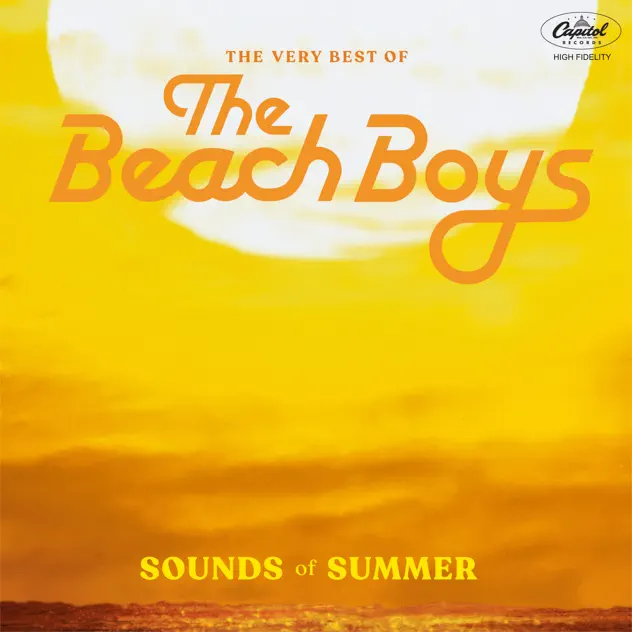
Though the band may have been aimed at teenage Californians in the 1960s, this song symbolizes everything I love about Midwestern summer: running around barefoot, water skiing, and, of course, summer camp. So, when rifling through my Nana’s old CDs in Old Hickory, TN, I was elated to find not just Alan Jackson and Bee Gees, but also Sounds of Summer (SOS) by The Beach Boys.
This compilation album is an amalgamation of all of The Beach Boys’ best songs—mostly from their 1962-1966 peak—but it also includes some later ones. Because of its long runtime, including over 30 songs across 26 years, I rarely get to the end of the CD—but when I do, the experience is incredible. What’s cool about this album is that most of the songs toward the beginning were from earlier in the Beach Boys’ career, and the later songs on SOS also follow this pattern. Whenever I do get the opportunity to listen all the way through, I get to hear the band’s musical progression from 1962 to 1988. From classic, beachy, surf-rock like “Fun, fun, fun” or “Surfin’ Safari,” to more mature, experimental sounds like “Good Vibrations” and “Do It Again.” You quite literally hear their voices drop throughout the album, from their falsetto-filled songs of the early 1960s to later songs involving increasingly deeper harmonies.
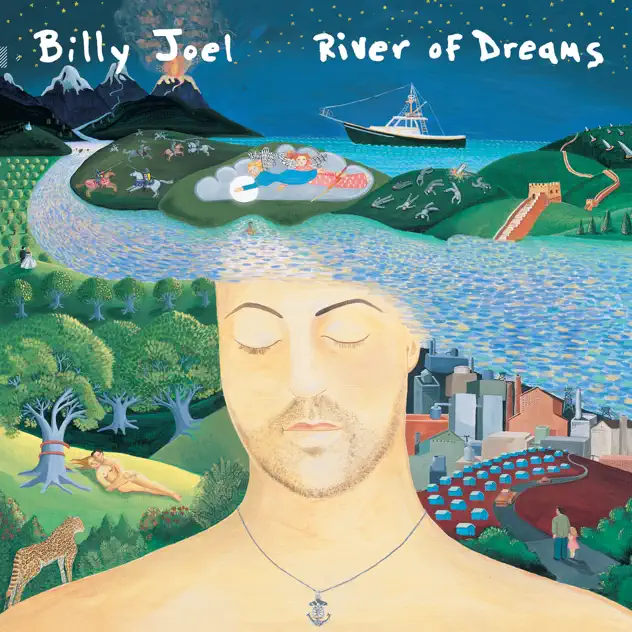
Every time I go thrifting, whether I’m looking for clothes, accessories, or trinkets, I always stop by the CD section before I go home. On this specific trip, sometime during the spring of 2025, I bought two CDs: Billy Joel’s River of Dreams and the cast recording from Alvin and the Chipmunks: The Squeakquel. Both of these albums enticed me with their striking covers and recognizable artist names—after all, Joel and Alvin and the Chipmunks are hard to pass up on.
At this time, the only Joel songs I knew were his most popular: “Piano Man,” “Vienna,” and the like. Considering how influential he is in the realm of soft rock, River of Dreams seemed the perfect opportunity to delve deeper into the artist—even if the album was produced quite a while after his 1977-1983 prime.
The CD soon rotated among my other favorites, competing for the top spot in Sparky’s audio system. Whenever I listened to it, I ended up pulling out the CD’s lyric booklet, which helped me quickly warm up to some excellent songs. Much of this album veered far from Joel’s more popular, piano-led hits, instead consisting of guitar-driven songs like “Blonde over Blue” and “No Man’s Land.” Additionally, much of the album features more raw, introspective lyricism than his earlier hits, with songs like “Great Wall of China” and “A Minor Variation” that reflect his legal struggles with his ex-manager, Frank Weber.
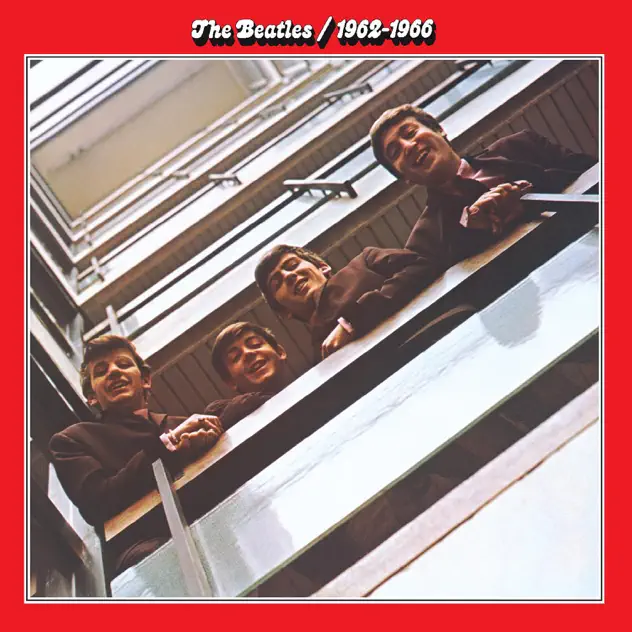
I am ashamed to admit this, but there was a time when I actively disliked The Beatles.
As this was long before I understood music or music history, I can attribute most of it to ignorance. But still, it was there, and I didn’t really listen to them before driving Sparky—making this album an exemplary case of how a CD collection helped broaden my music taste.
Now, I tend to listen to the first disc more than the second, so most of my accolades are attributed to the beginning of The Red Album. Disc One is essentially a no-skip album, with each of its 13 tracks a Beatles classic. My favorites are “Ticket to Ride” and “Yesterday,” and though I favor the second disc significantly less, I still enjoy a few of its songs—”Drive My Car” and “Paperback Writer,” for example.
This album follows the same pattern as Sounds of Summer, but more precisely and over a shorter period, with each song in exact chronological order from 1962 to 1966. In a way, you can also hear their musical progression throughout the album, but since it covers essentially the same era of Beatles music, the sonic discontinuities are more subtle.
I don’t think I ever would’ve listened to as much by The Beatles or any of these other artists if it weren’t for my CD-collection hobby. For that, I have Sparky to thank.