


















Fetus Harry. Frat Boy Harry. Bandana Harry. Long Hair Harry. Dunkirk Harry. Fine Line Harry. Quarantine Harry. Now, Marathon-Addict Harry.
As a longtime Harry Styles fan, I have witnessed virtually every era of the acclaimed pop singer.
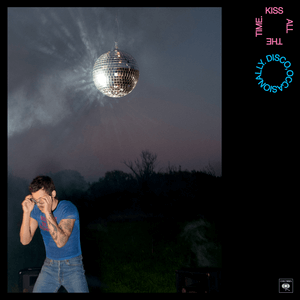
With each reinvention has come a corresponding shift in sound, as Styles has continuously reshaped not only his image, but the musical identity that accompanies it. It is within this context that Kiss All the Time. Disco, Occasionally. emerges, Styles’s fourth studio album, an album that attempts to consolidate these shifting identities.
The first half of the album largely failed at doing so. That being said, the remaining half of the album is not without its moments of clarity, with select tracks managing to capture the charm and intentionality that much of the album otherwise lacks.
Starting with the seventh track, “Season 2 Weight Loss,” despite its arbitrary title, was another example in which Styles succeeded in harnessing a novel, textured soundscape that felt both playful and intentional. While criminally underrated, I thought his vocal performance in this track was refreshingly reminiscent of his period with One Direction, an uplifting departure from the diluted, tedious performances of previous tracks.
Though much of the album prior to “Coming Up Roses” was somewhat impassive, the riddled stoicism of previous tracks came to a screeching halt with this profound reflection on love and companionship. Throwing all anticlimacticism aside, Styles writes one of his most poignant love songs with this stirring track, complete with a swelling orchestra of strings to complete the romantic, amorous ambience.
Styles continues his streak of nostalgic revival with “Pop,” a track largely redolent of “Keep Driving” from his previous album, but much appreciated in an album which, for the most part, lacked the same charm as its predecessor. This synth-pop, 80s-inspired track was thick with playful bass and shimmering electronic flourishes, complete with a loud and swanky production.
“Dance No More,” the following track, followed a similar disco-funk formula, complete with a carefree, cathartic energy and infectious rhythmic momentum. Styles leans more heavily into spontaneity here, chanting playful quips such as “Respect your mother,” a lyric that feels both tongue-in-cheek and oddly endearing.
“Paint By Numbers” was easily one of the most solemn yet emotionally resonant tracks of the album, showcasing a vulnerability that felt largely absent elsewhere. The stripped-back production allows the sentiment to take center stage, making it one of the album’s most affecting moments.
Concluding the album was “Carla’s Song,” a soothing ode to the transformative power of music. This folk-inspired ballad serves as a gentle comedown from the album’s more experimental highs, with a lush production that feels both organic and immersive.
That being said, the second half of the album was not all euphoria.
Styles is made for a genre that, over the years, he has continued to run far, far away from. The soul that blossomed from the smooth, soft rock ballads of his first, self-titled album has long dilapidated under the guise of mediocre pseudo-disco, and all psychedelic elements of his earlier work have been replaced with mass-produced “elevator” music. High-caliber music, regardless of the genre, will never go out of style, and if Styles and his producers believe that the only way to maintain cultural relevance and put up chart-topping numbers is to replicate the current TikTok music trends, they are mistaken.
Perhaps this is the result of a new age of synth-pop albums like Charli XCX’s BRAT or Magdalena Bay’s Imaginal Disk, but Styles lacks both the flair and the experimentalism that such albums encompass so well. Styles thrives best in sonorous variants of rock music, and the farther he drifts from hallmark, the more he does himself and his listeners a disservice. Ultimately, Kiss All the Time. Disco, Occasionally. is an album caught between ambition and identity, offering glimpses of brilliance while never fully committing to the sound that once made Styles exceptional.