




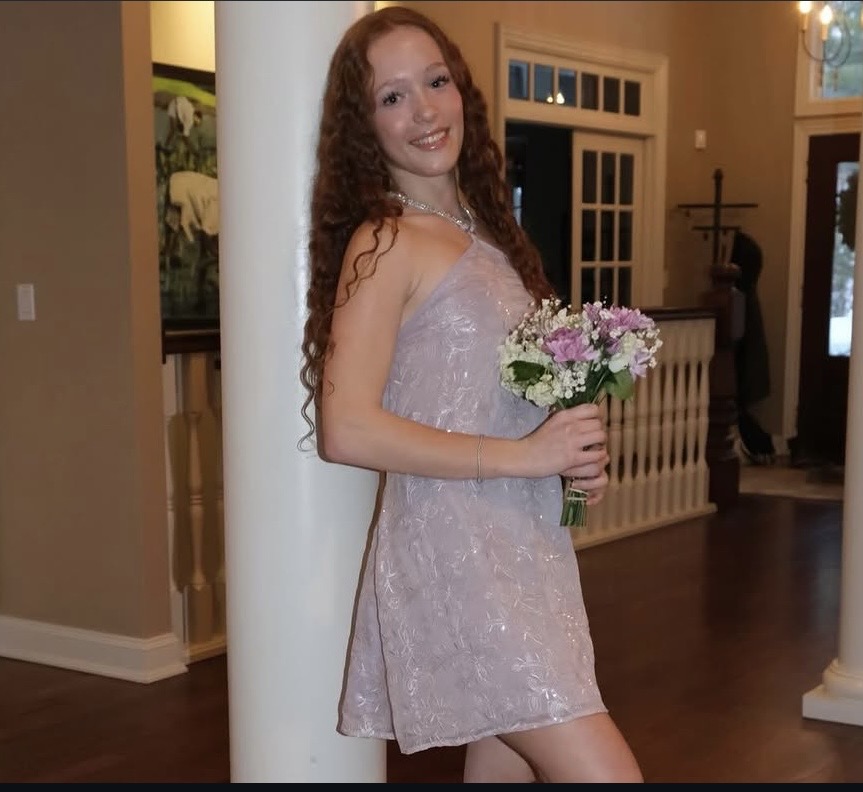
















For junior Avery Blanchard, culture revolves around a whole lot more than simply heritage—in fact, sometimes, this complexity is only a bite away.
“I’m Italian, so every year my family and I make all these Italian dishes—cannoli, homemade shells, homemade everything,” Avery said. “In my family, we think food especially goes into culture, but it’s not just food; [culture] is about learning [different] holidays, traditions, religions, and more.”
Her reflections capture the broader mission of the newly formed World Culture Club, a club she helped found that is dedicated to fostering cross-cultural understanding within the school community. Building heavily on the poignancy of taste, the importance of being an empowered citizen, and the cruciality of being informed on a variety of ethnic backgrounds, the club provides students a structured space to share traditions, learn about global customs, and explore how diverse culture strengthens collective identity.
“I wish everybody would come together and understand each other more,” Avery said. “I personally want to understand [more] cultures. Like last year, I learned a lot during Ramadan because my friend is Muslim, and she learned a lot about my traditions as a Christian. That sort of impact is very important to learn about other people, especially since we all have so much about each other we don’t know. You’re not going to fully understand a person unless you fully understand their culture.”
Avery’s desire for a communal connection amongst club members resonates with other executive board members who recognize the importance of intercultural learning. Junior Rosa Thornburg, another member, views the World Culture Club as both a social and educational space that bridges gaps between people of all backgrounds. Whether between the walls of the school or in a wider social context, she is hopeful that members will derive both internal and external meaning from being a part of the club.
“We’re hoping to inform people about new cultures and allow people to immerse themselves in other people’s cultures,” Rosa said. “Not only is it important to learn about other people, but joining [any sort of] club is a good way to meet new people and have a good time with friends while learning new things.”
For Rosa, the club’s purpose is not one-dimensional but rather twofold. Whether members join to create friendships or to inspire awareness, she believes that spreading knowledge about other cultures not only builds compassion but also helps students grow into more globally minded individuals.
“Our club’s biggest goal would be to educate people and provide them with knowledge about other cultures around the world,” Rosa said. “Being understanding of the differences between cultures around the world is extremely important to being an aware citizen and also an educated citizen.”
For co-founder junior Kellan Buurstra, the impact of the club extends far beyond just the regular meeting times every other Monday. While the immediate benefits of joining the club might be confined to FHC, the resounding effects of intentionally growing cultural awareness are clear. To her, learning about other cultures cultivates skills that matter in every aspect of life, whether it’s socially, academically, or anything in between.
“I think that the experience of being involved in the club would help people in the real world because it would provide people with more open-mindedness and empathy,” Kellan explained. “I think that being aware of how other people live around the world is important. Even personally, I’m not super educated in that department, so I feel like it’s always beneficial to have some kind of knowledge on [different cultures].”
As schools can only provide a glimpse into how diverse the world is, Kellan and the rest of the club believe that it’s up to students to take that curiosity further in their everyday lives and purposely expand their worldwide knowledge. By joining the World Culture Club, she hopes that members will be able to harness a global understanding that is so crucial in today’s world.
“Because we have a limited opportunity with what languages and cultures we are [exposed to] at our school,” Kellan said, “I think that being aware of and understanding the differences between cultures around the world is extremely important to being an aware and educated citizen.”