














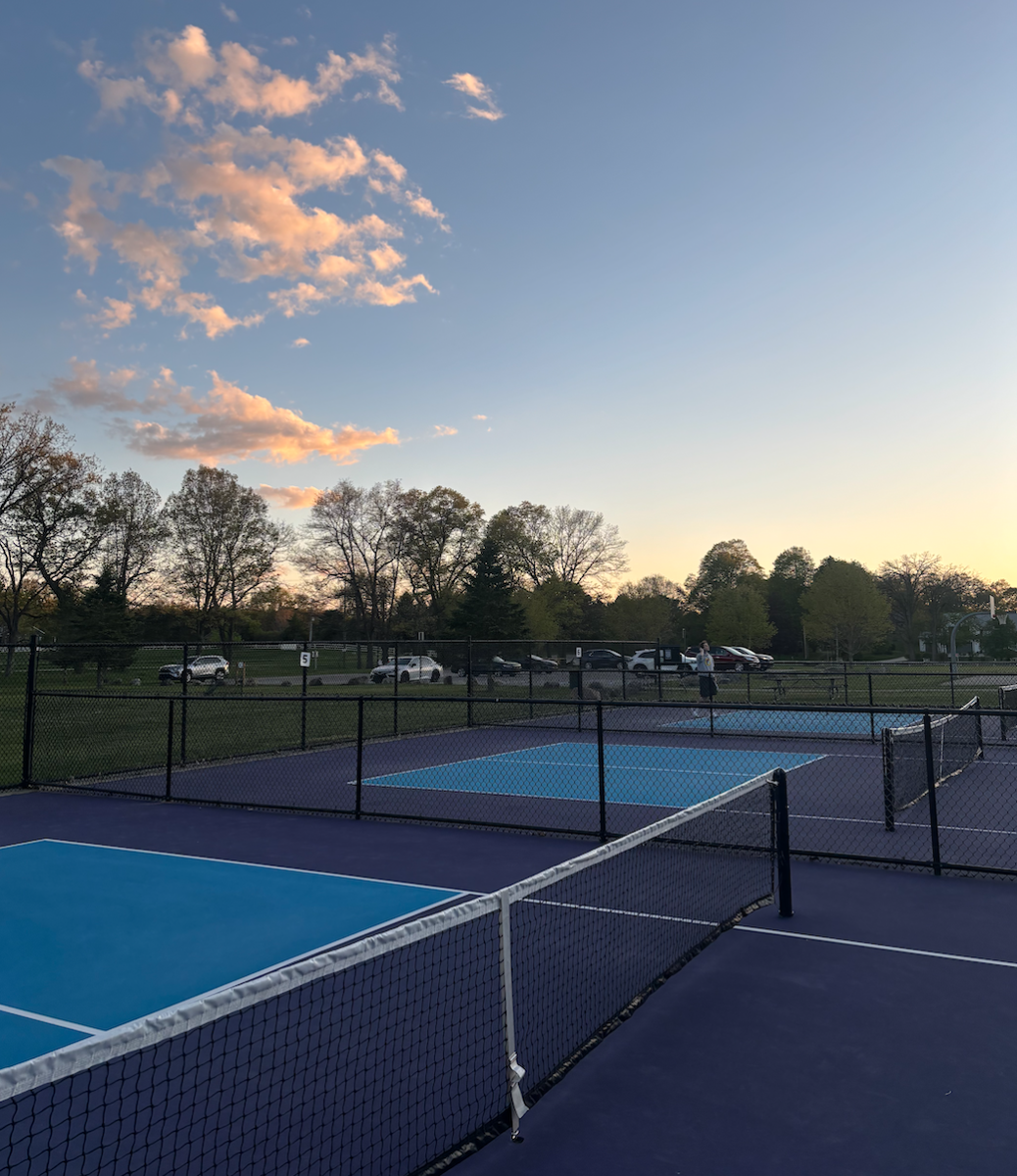












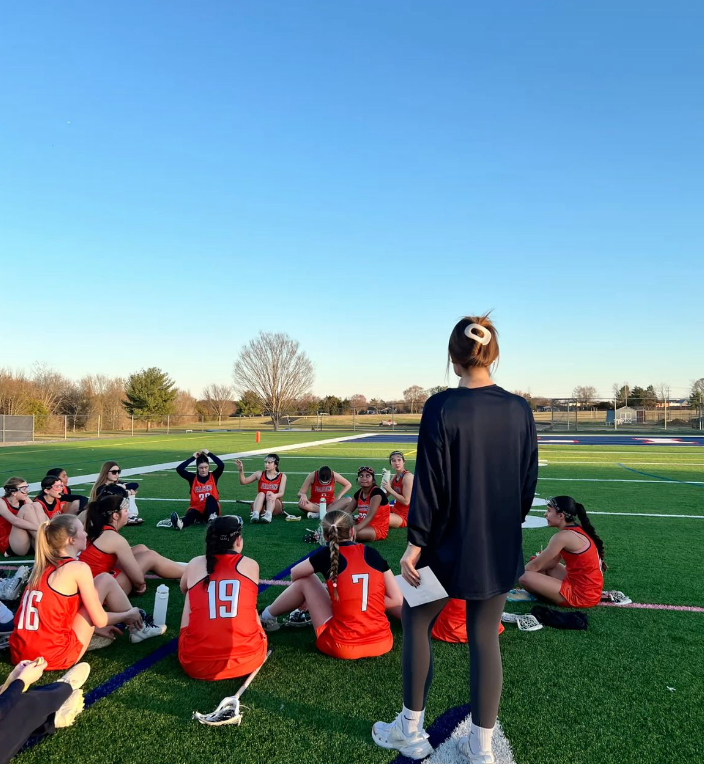
While going to off-season practices might seem mandatory, is it really required to show up? Many sports offer optional off-season practices, but if an athlete does not show up for most of them, they face repercussions. How is this fair?
Being able to practice during the off-season is very beneficial for teams, as it gives them a look at players’ skills going into the season. It is also helpful for the athletes, as they get more training to prepare for upcoming competitions. The off-season is when athletes can often train the hardest, since they don’t have any games to worry about getting hurt for. Consistency is key and matters most during this time, as small improvements over time lead to meaningful changes that help the athlete and the team once the season starts (CoachUp Nation). Off-season training is very important to athletes, as it helps them prepare their minds and bodies for the season.
The reason off-season practices seem required for athletes is the punishments they receive for missing training. Many athletes get benched or cut from the team for not going. This is extremely unfair, given that many districts require off-season practices to be optional, and athletes are not expected to make time out of important plans or take time off from in-season sports to participate in off-season training. Although it is important to have off-season training, it is important to make it clear that going is optional.
There are many rules regarding off-season practices, other than it being optional. According to the Michigan High School Athletic Association (MHSAA), Coaches can not coach, give advice to athletes, or participate in the sport they coach before the season. Open gyms must be led by students for fun, not for strict practice—with no organized instruction, drills, structure, or competition. This is very important to note, since coaches cannot help the athletes or give instructions for the practices. However, many coaches disobey this rule to get ahead and train with their athletes before the season begins, and there are workarounds depending on timing, practice location, and enforcement levels. It is very important for the coaches to follow the rules, so the coaching is equal for everyone, and there is no bias.
Aside from the coaching restrictions, the social effects of not attending off-season practices are detrimental to athletes heading into the season. Athletes can bond with their teammates during this time, meet new coaches, and get to know other players on higher-level teams to prepare them for the following years.
Since there is often pressure on athletes to go to off-season training, they may feel they need to attend every single training session, which can be hard on the body and mind for multiple reasons. Athletes often work harder during the off-season, and keeping up with every practice can be hard on their bodies without getting hurt. They can also feel discouraged if they miss a training session, since coaches are hard on them to keep up with going to practices to be prepared for the season.
Overall, it is crucial for coaches to inform their athletes that the off-season practices are optional, so they don’t have to worry about showing up to every practice. Training out of season is very important and can help prepare athletes for their season as well as improve skills, but at the end of the day, off-season practices need to be truly optional to avoid unnecessary pressure and unfair advantages for some athletes.
