



























Competing at the collegiate level in any sport is extremely impressive. Approximately eight million people are high school athletes, while only 530,000 participate in college athletics as National Collegiate Athletic Association (NCAA) athletes (NCAA). The ratio is astronomical, and the probability of having the opportunity to be a college athlete is limited. While every sport is extremely impressive, not all are created equal. Football, basketball, and volleyball are some of the sports that award the most scholarships to athletes. Meanwhile, sports like gymnastics, cheerleading, wrestling, and more certainly fall behind.
While it’s already complicated to receive a scholarship for any sport, NCAA Division I women’s gymnastics can only award a total of 12 full-ride scholarships per year for each school (NCSA Sports). However, when compared to a more popular sport that brings more revenue to institutions, such as football, the difference is astronomical. Division I football is allowed to award 105 scholarships per year, per school (NCSA Sports). The competition for a scholarship in one of the less-awarded sports is extremely high, making the representation in these sports complicated.
In addition to certain sports not awarding the same number of scholarships, funding is definitely not equal. The same sports that award fewer scholarships are those with a lower budget, causing many financial issues for athletes and universities alike. The number of talented athletes who would be exceptional beyond high school and at the collegiate level is so large. However, it is unfortunately out of reach for low-income families without scholarships.
When budgets are unequal, it causes extreme depreciation in the quality of programs and even the termination of that school’s sports.
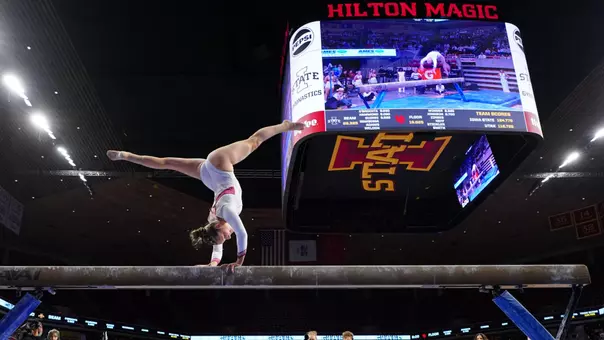
As of early March 2026, Iowa State University’s women’s gymnastics team has been permanently discontinued. The decision was announced by Iowa State University’s athletic director Jamie Pollard, not long after the school cancelled the remainder of the gymnastics team’s 2026 season. The athletic department described the cancellation as due to “unresolvable” issues between athletes, coaches, parents, and many other people associated with the team’s program (KBTX News).
While the school and its athletic department said the school will replace its women’s gymnastics team with a women’s sport that “provides equal or additional participation opportunities,” it feels like yet another instance where women in sports are silenced and put on the back burner (KBTX News). Athletes on the Iowa State gymnastics team had been asking for assistance during the entirety of the season and have been posting on social media regarding poor management and leadership for months. Furthermore, if the same issues arose within the more prosperous sports, action would likely have been effective immediately, rather than months later. With gymnastics being a relatively female-dominated sport, and due to Iowa State’s lack of a men’s gymnastics program, many audiences and fans have argued on social media that this is seen as a direct attack and threat to women’s sports.
Gymnastics can be cut, but they would never cut the football or basketball programs, as all of these bring too much revenue to the university. With gymnastics already being an extremely difficult sport to compete in at the collegiate level, the misrepresentation and unfair budget cuts can make it exceptionally more difficult for any female athlete. The unjust nature within the management of many female sports has persisted for centuries. However, with women receiving an influx of opportunities and latitude within sports in the past few decades, it is surprising and disappointing, to say the least, that a Division I school is cutting revenue and discontinuing yet another women’s sport.