






















One thing that dominates students’ spring horizons and becomes the topic of countless conversations: spring break. Spring break is seemingly just a normal vacation wedged between mid-winter break and the final stretch of the school year. It’s a refreshing pause just when the school year is at its hardest. While it seems like just a normal vacation, spring break has grown into far more than just that.
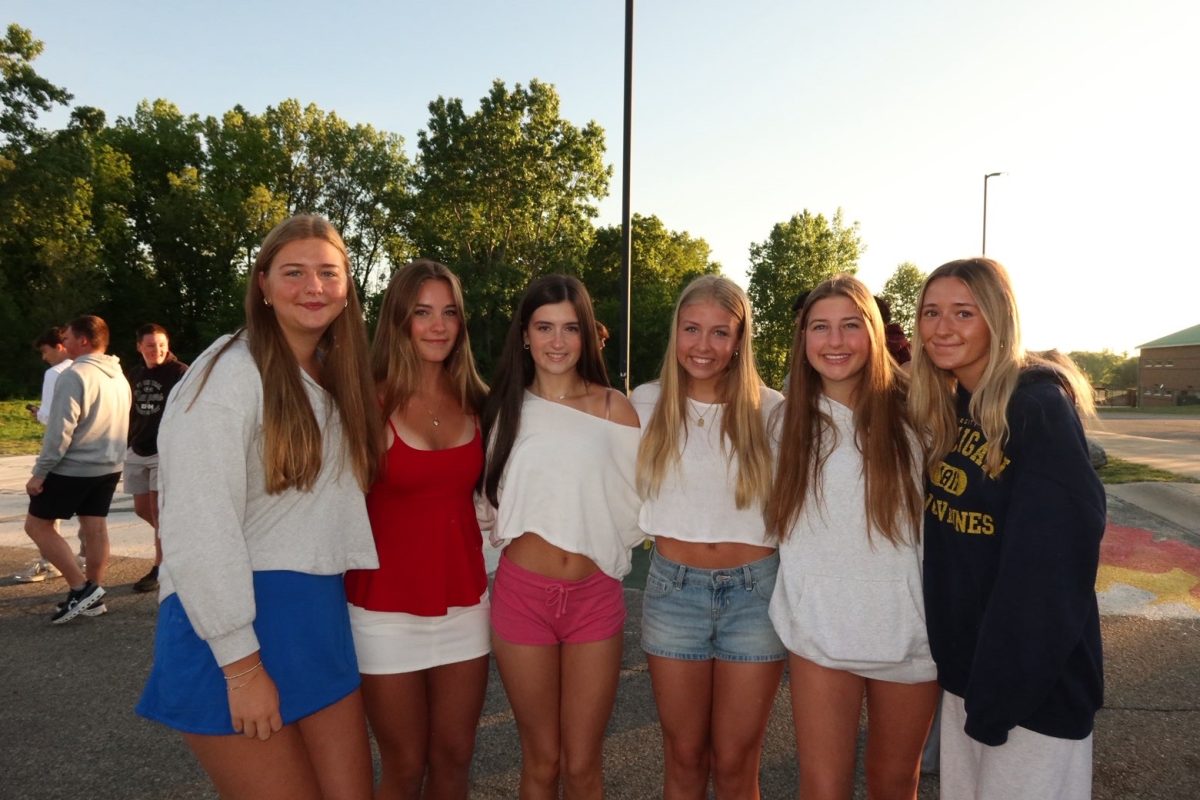
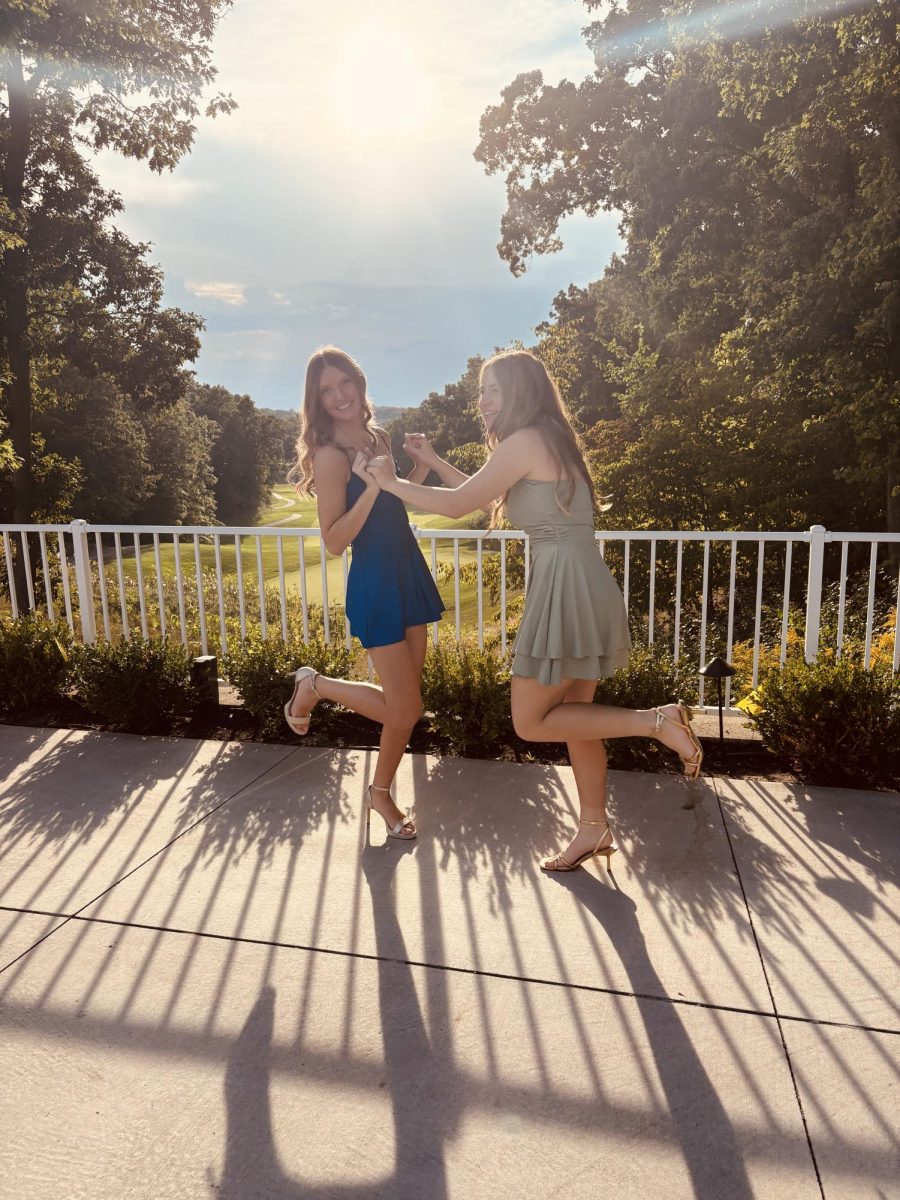
Spring break is a celebrity among school vacations. What started as a one-week hiatus from school has become a cultural phenomenon. It’s become its own aesthetic, with certain images ingrained into its identity: seashells, beaches, hot pink, and palm trees. Social media is flooded with images and videos of influencers styling outfits to match this aesthetic, whether that be with white and gold dresses or hot pink glittery bikinis.
Businesses have picked up on this trend as well, curating entire brand lines around it. Clothing brands like Hollister and Pacsun are known for their spring break sales and specialized clothing lines. When searching for clothes, it’s hard to miss the sections categorized as “spring break.” Businesses have begun to take advantage of this glamourization, only adding to the exclusivity of a spring break wardrobe. By having a specialized line, they force consumers to feel they need to purchase only certain clothing, allowing brands to raise these prices to match this artificial consumer need.
While these tailored lines make it easy to curate the perfect closet for spring break, are they necessary? The normalization of purchasing an entirely new wardrobe annually not only sets unattainable expectations for the majority of people but also a seemingly standardized overconsumption.
Social media maintains a large influence in society, even more so on teenagers and high school students. As spring break trends are commonly targeted at students, it seems to prey on shared teenage insecurities. Not only is there an incredible amount of pressure on students to travel for spring break—normalized by their peers—but also to dress the part. Students who travel are also expected to post and publicize their vacations as a social symbol or as a reflection of their peers’ expectations. When students are unable to achieve this goal, it’s easy to feel as though they’re less than their fellow students.
Large brands are not the only businesses taking advantage of students’ need to fit in; fast fashion has grown exponentially to match these expectations. As most clothing from high-end brands reaches high prices, teenagers—under pressure to fit in—turn to cheaper alternatives. These cheaper alternatives are, unfortunately, fast fashion. Fast fashion feeds off trends such as these, especially ones that refresh annually. Spring break only lasts one week, meaning the majority of these clothes are only worn a few times, especially due to their highly embellished nature. Additionally, fast fashion is commonly manufactured poorly and not meant for long-term use, leading to a positive feedback cycle as more clothes are needed.
The overconsumption surrounding a single week-long vacation that turned into an aesthetic trend is incredible. As brands continue to take advantage of adolescent insecurities, further fueled by social media expectations, the waste and loss in self-confidence will only continue to grow in response. Spring break was not meant to become a consumerist holiday, but a time for mental and physical rest. By remembering the original intent of spring break, students can hopefully break away from the brand-curated toxic aesthetic.