


























I always find the beginning of the second semester to create the most academic burnout as Advanced Placement (AP) courses ramp up, and the end of the school year taunts from only a few months away. For seniors, this time of year is especially difficult as we face the infamous “senioritis,” with the end of our time at FHC coming to a swift close and college on the horizon. Despite this, the next few months can be incredibly stressful as they are crucial for having good grades for the year and doing well on the coveted AP Exams, with the prospects of gaining college credit. This chronic level of stress is what leads to true burnout by pushing yourself beyond what you are mentally and physically able to handle, leaving you with fatigue, apathy, headaches, a lack of motivation, and sleeping and eating differently. These are a few ways to prevent this academic burnout from taking over, or to push through it if you are already beginning to burn out.
Taking a break
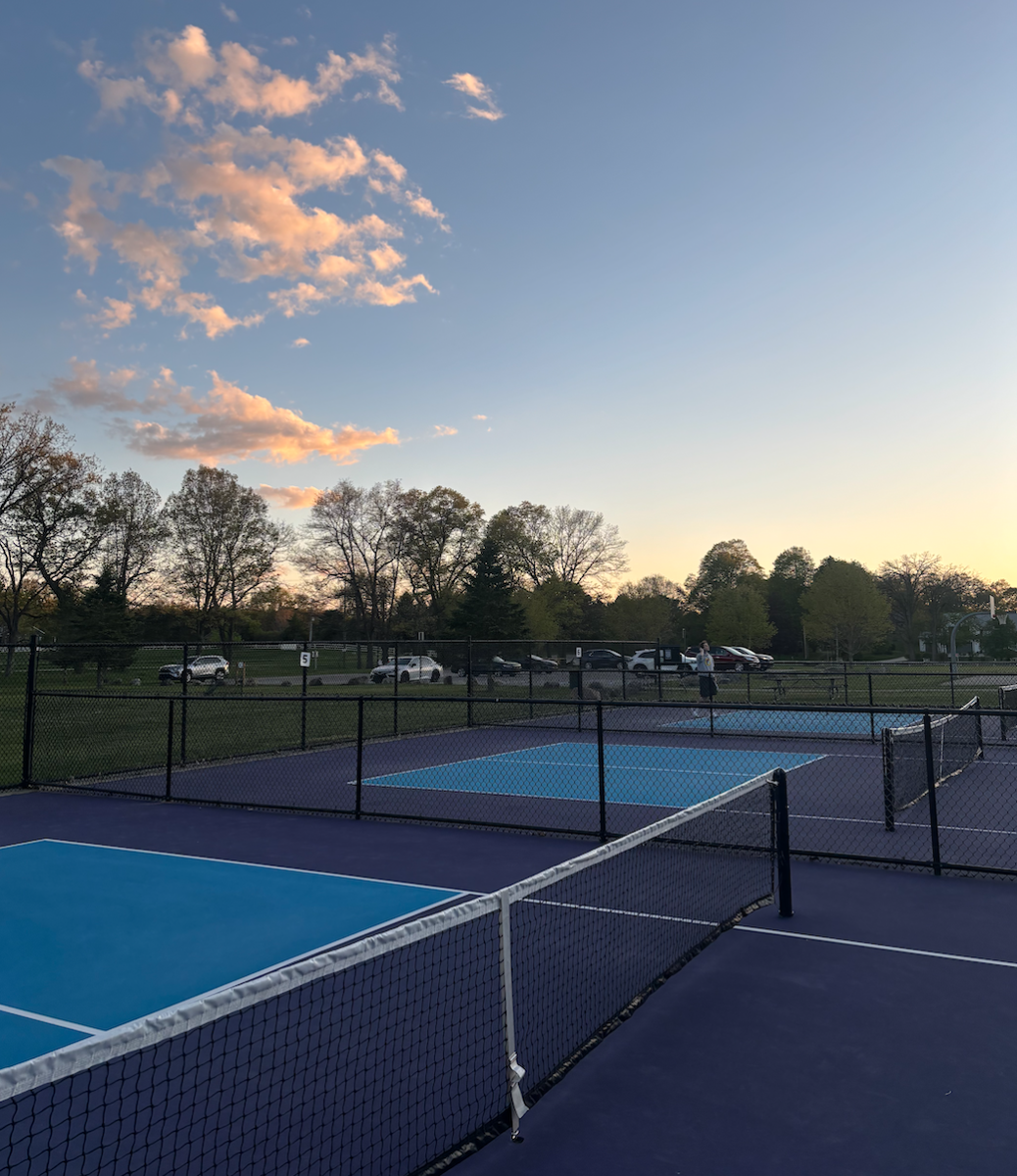
While taking a break is the last thing that I want to do when I am stressed about finishing a homework assignment in time, these small moments can have a large impact. By taking a break before you are past your breaking point, you are helping yourself reduce fatigue and restore attention. This break should not be going on your phone or something that draws you away from your physical environment. Instead, try taking a short walk, getting a cup of water or coffee, or even just sitting down and taking a few minutes to breathe and take in your surroundings. By taking just a few minutes to ground yourself in your environment, you can prolong your motivation and attention to studying or doing homework.
Keep a detailed planner
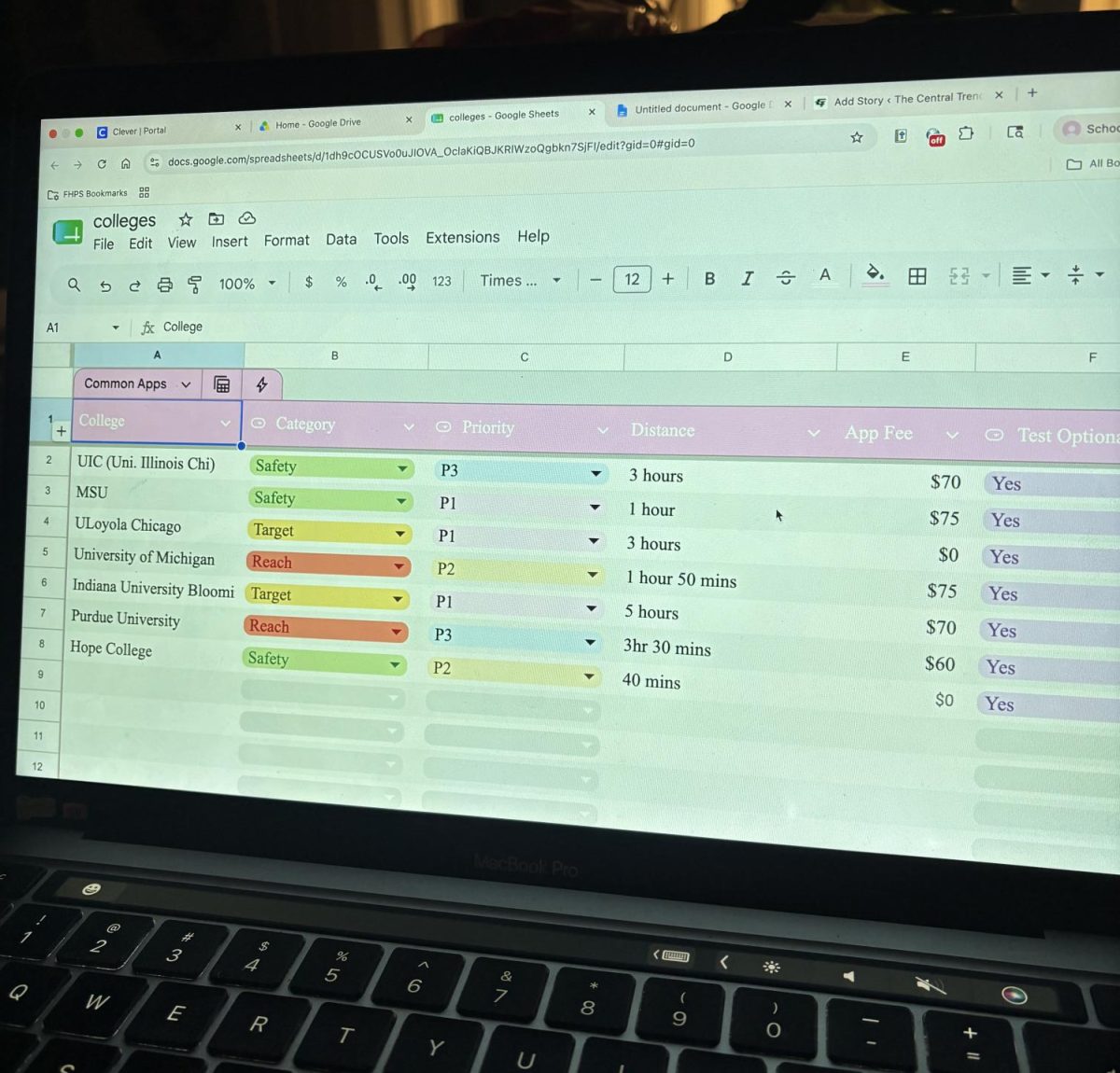
At the beginning of each week, take 10 minutes to write down everything that needs to be done that week. It doesn’t need to be an overly organized, color-coded planner, but a spot in your Notes app or a Google Doc with a list of a few things that need to be done each day. By knowing what to expect day by day, you can build in studying for large tests and exams, preventing cramming the night before. As you build the habit of keeping a planner, try to plan out the days with more detail, with times to study, take breaks, and do other tasks that fill your days, whether it be a part-time job or time to go hang out with friends. By planning things out, you can spend less time stressing about when things need to be done or trying to remember the date that each assignment is due.
Practicing self-care
This may seem cliché, but self-care is fundamental to preventing and overcoming burnout. Self-care is not only taking bubble baths and doing face masks, but it is also practicing compassion for yourself. It is important to take the time to be kind to your mind and body, for they are the only ones that you get. Through this compassion for yourself, you can build psychological resilience, which will help you react better to stressful situations and the chronic stress that leads to burnout.
These methods of preventing and overcoming burnout will only take a few minutes each day, while creating a world of difference in how you feel and view your academic life.