
















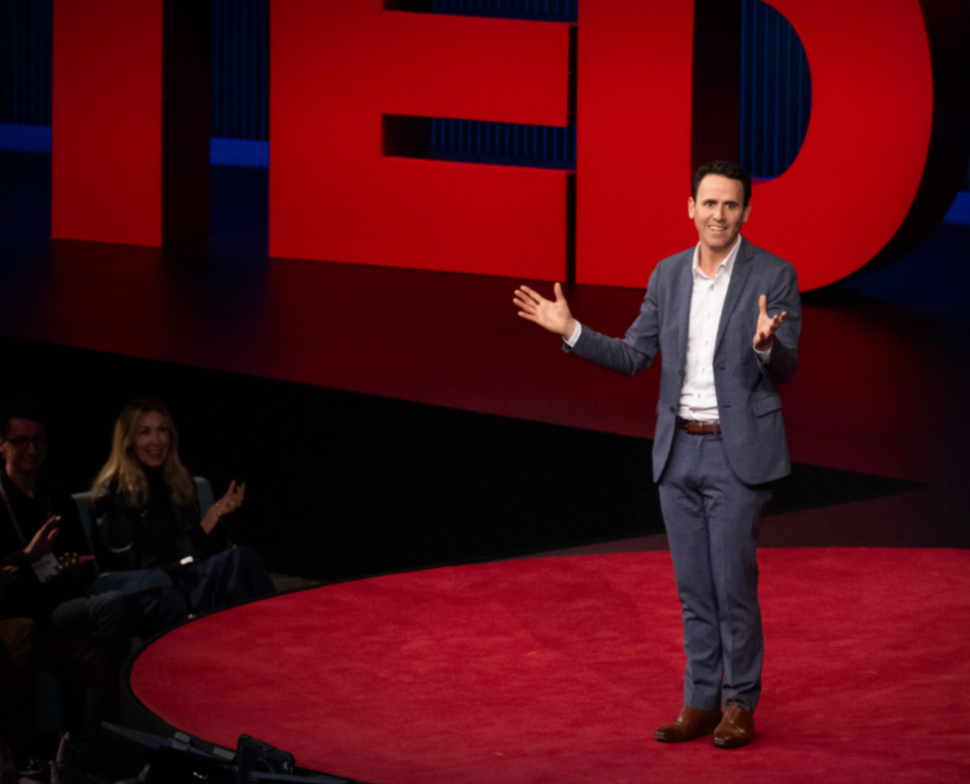









Senior Ian Tyrrell’s life, for quite some time, was characterized by overcompensating.
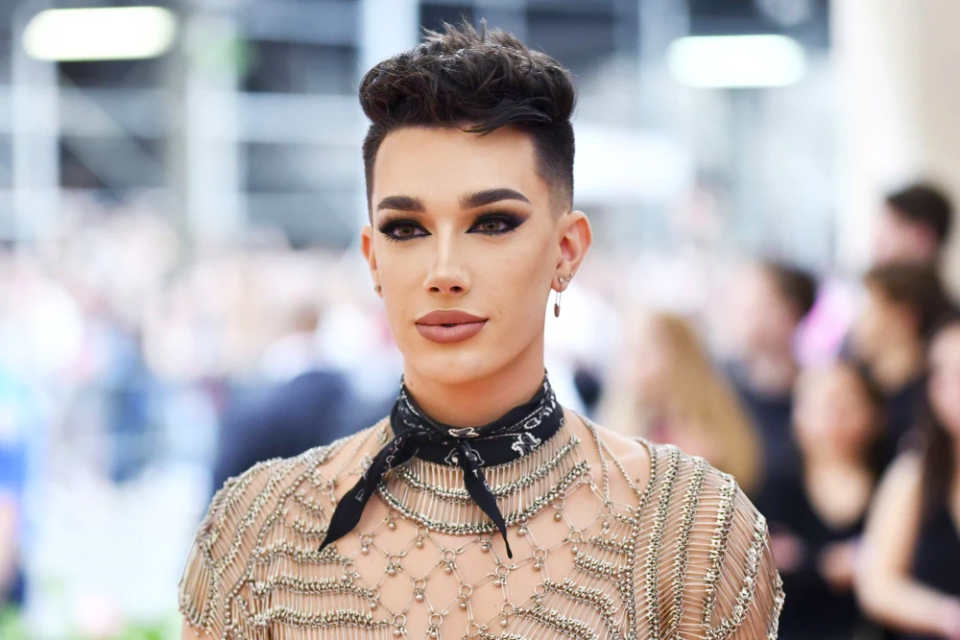
In fact, his eighth-grade year was a near parallel to Overcompensating, Prime Video’s hit television show of 2025. To those unfamiliar with the show, it follows closeted college freshman Benny Scanlon (Benito Skinner) as he navigates relationships and attempts to imitate the machismo of the men around him.
Now, instead of imagining 30-year-old Benito Skinner posing as a new college freshman, imagine 14-year-old Ian preparing for the grueling battlefield that is Californian middle school. After the brief yet freeing era of quarantine, when he could express himself however he wanted, Ian hopped right back into the closet in fear of what his classmates would think.
“Being closeted also was super scary, because I wasn’t hiding myself from people at school. I was hiding it from my own home and my own family,” Ian said. “[I would] practice my deep voice in the mirror, and I’d have fake Spotify playlists. I literally developed a whole person that’s not who I am.”
After moving from California to Michigan after eighth grade, Ian dropped his “straight guy” persona. He entered high school instead with a mask of introversion, hoping that refraining from speaking would prevent his new classmates from finding out that he was different.
“Almost automatically, I was kind of dubbed as the ‘weird kid,’ even though I was only really shy,” Ian said. “Like God forbid a boy is a little slow to get out of his shell! Then in sophomore year, I went out of my shell a little bit and started talking to people.”
This new wave of extroversion followed his coming out to his friends at the end of his freshman year, a day that marked the death of his false diffident self. Though Ian still carries some of that shyness, he has been free to be veraciously himself ever since.
“[Being gay has] taught me to be confident in who I am—duh,” Ian said. “It’s also taught me to talk to people outside of my comfort zone.”
While being different has indeed given Ian a unique experience of navigating high school friendships, it has also given him an interesting perspective on overlooked high school dynamics. This is exemplified in the concept of the “gay best friend,” where, because of how gay male friends are represented in media, “popular” girls frequently want one because they see them as a commodity.
“It’s almost like gay people are like tote bags,” Ian said. “Being gay is seen as a character trait, and I really hate that… and then [the girls who want a gay best friend] have a homophobic boyfriend.”
These “homophobic boyfriends” aren’t exactly the bullies one might see in a 2000s drama. West Michigan is a generally LGBTQ-friendly area; however, straight male high schoolers tend to be quite apprehensive of their gay classmates. Homophobia, for the most part, comes to fruition in ignorant discomfort far more than flat bullying.
“I try not to say the word homophobic…but it actually does exist,” Ian said. “That’s why, even at [FHC], I know that there are gay people that don’t come out or don’t wish to come out because [it’s scary to come out to] their friends that they’ve known their whole life.”
Ian is aware that coming out can be scary—he lived through it. But he stands by the belief that coming out has helped him feel truly free.
“I know there [are] a lot of people who can’t [be themselves] in this school, who are hiding away,” Ian said. “It’s scary for me to think that even after they graduate, they still might not come out… [So] I try to be myself for the other people who can’t.”

Sophia • Oct 28, 2025 at 9:56 am
this is so sweet, and so well written, micah! <333